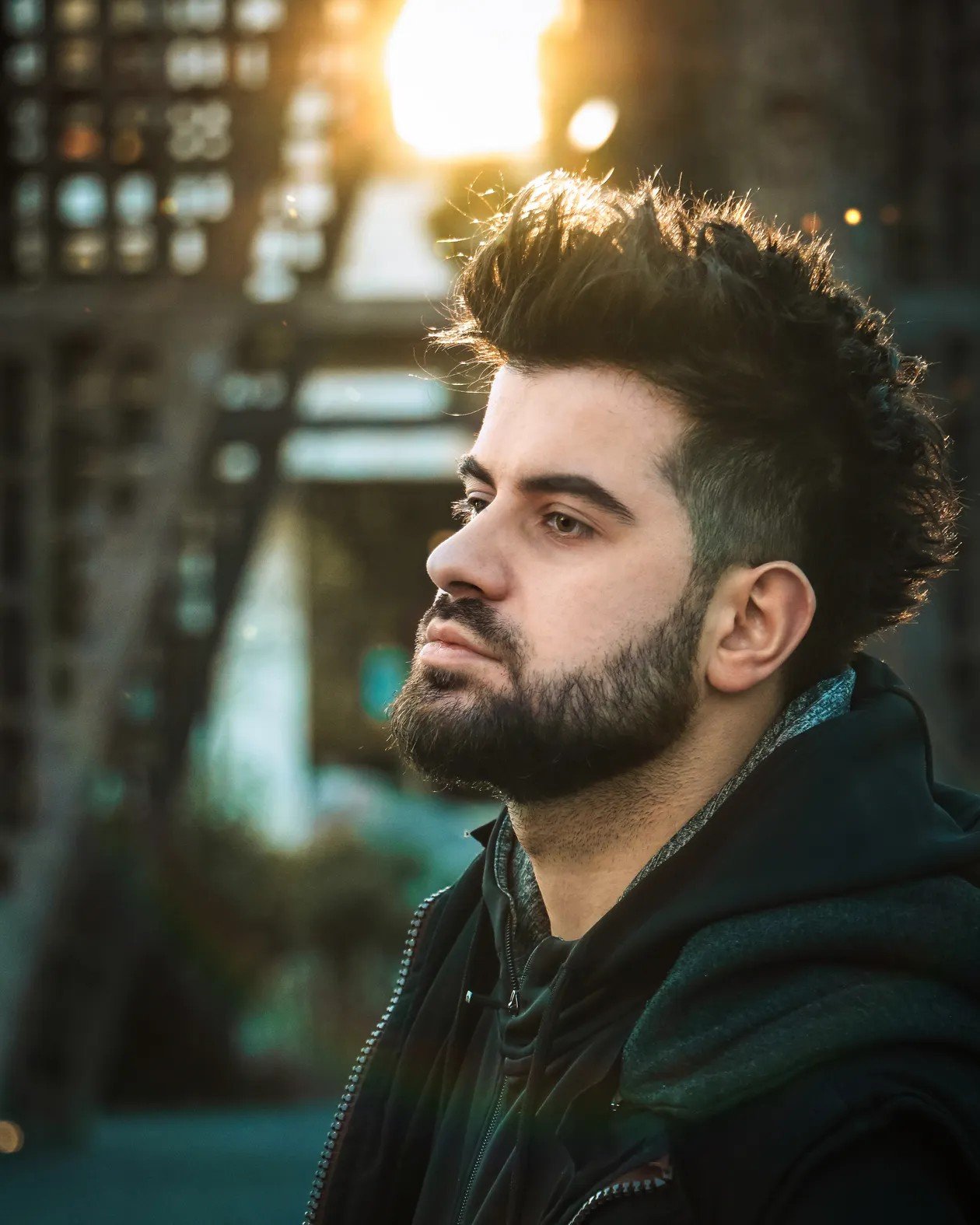
Some haircuts are polished. The warrior cut is not one of them — and that is the point. It is a rugged, textured cut built around a choppy top that falls forward, with the sides kept clean on a taper or fade. The shape borrows its attitude from the rough, practical hairstyles of historical warriors — hair kept short enough to fight in, long enough on top to look untamed — and sharpens it with modern barbering so it reads deliberate rather than neglected.
The warrior cut has moved from niche request to genuine 2026 trend, named in trend roundups throughout the year and holding steady search interest in the US. It suits men who want a cut with presence: more edge than a crop, more wearability than a mohawk. If your current haircut feels safe and a little forgettable, this is the step up that still works on a Monday morning.
This guide covers 15 warrior cut styles for men, from the classic shape to faded, fringed, long, curly and bearded versions. For each one you will find who it suits, how much upkeep it honestly takes, and what to say at the barber so you get the version in the photo — not a mohawk you did not ask for.
Quick Answer — Key Takeaways
- A warrior cut = a choppy, textured top that falls forward, paired with tapered or faded sides and a rugged, matte finish.
- It is not a mohawk: the sides are blended, not shaved down to one strip, and the top keeps width across the head.
- Best hair types: straight to wavy, medium to thick hair holds the shape best; curly hair works with adjusted length (style 10).
- Upkeep splits by sides: tapers stretch to 4–5 weeks, skin fades need a refresh every 2–3 weeks.
- Fine hair is the honest limit — the choppy top needs density to read as texture instead of thinness.
What Is a Warrior Cut?
A warrior cut is a short-to-medium men’s haircut where the top is cut with heavy texture — point-cut, choppy layers that create separated, jagged pieces — and worn falling forward or slightly messy. The sides and back are tapered or faded so the textured top is framed by clean edges. The finish is matte and rough-looking on purpose: this cut is supposed to look like it can handle weather, work and a helmet, not like it was styled for a photoshoot.
Against the mohawk: a mohawk shaves or fades the sides hard and leaves a distinct central strip of longer hair running front to back. A warrior cut keeps hair across the full width of the top and blends the sides in — bolder than a crop, far less extreme than a mohawk. Against the faux hawk: a faux hawk pushes the top up into a central peak. A warrior cut pushes the top forward, not up — the silhouette is flatter and wider. Against the mullet: a mullet’s story is length at the back. A standard warrior cut keeps the back short and tapered; only deliberate hybrid versions (style 15) borrow the mullet’s back length.
One honest limit: the warrior cut’s ruggedness is cut-dependent, not magic. On very fine or thinning hair, heavy chopping can expose the scalp and make hair look thinner. On very curly hair, the forward-falling shape needs more length and different product than the straight-hair version. Both cases are covered below — but go in knowing your hair type changes the recipe.
Who Suits a Warrior Cut?
Straight and wavy hair in the medium-to-thick range is the natural home of this cut. The choppy layers need enough hair to separate into visible pieces, and forward-falling tops behave best when the hair has some weight. Thick hair gets the most dramatic version; the texture removes bulk while keeping the rugged outline.
Face shape: the forward top and textured fringe shorten the face visually, which flatters long and oblong faces. Square and angular jawlines suit the rugged finish especially well — the cut’s roughness matches strong bone structure instead of fighting it. Round faces can wear it too, but ask for more height in the top layers and tighter sides so the head does not look wider.
Who should think twice: men with very fine hair (see the limit above), men whose workplaces require a conservative, neatly-parted look, and men who will not use any product at all. The warrior cut can survive on minimal styling, but “wash and walk out” with zero product usually reads as a grown-out crop, not a warrior cut.
15 Best Warrior Cut Styles for Men
1. Classic Warrior Cut

The original shape: choppy textured layers across the top worn forward, a soft natural fringe, and sides tapered clean without a fade line. Nothing about it is extreme, which is why it is the right first version — all the attitude, none of the commitment of a skin fade. Who it suits: straight to wavy medium hair, most face shapes. Maintenance: low-medium (re-cut every 4–5 weeks). Styling tip: matte paste worked through dry hair, push everything forward, then pinch a few pieces apart at the front.
2. Warrior Cut + Low Taper Fade
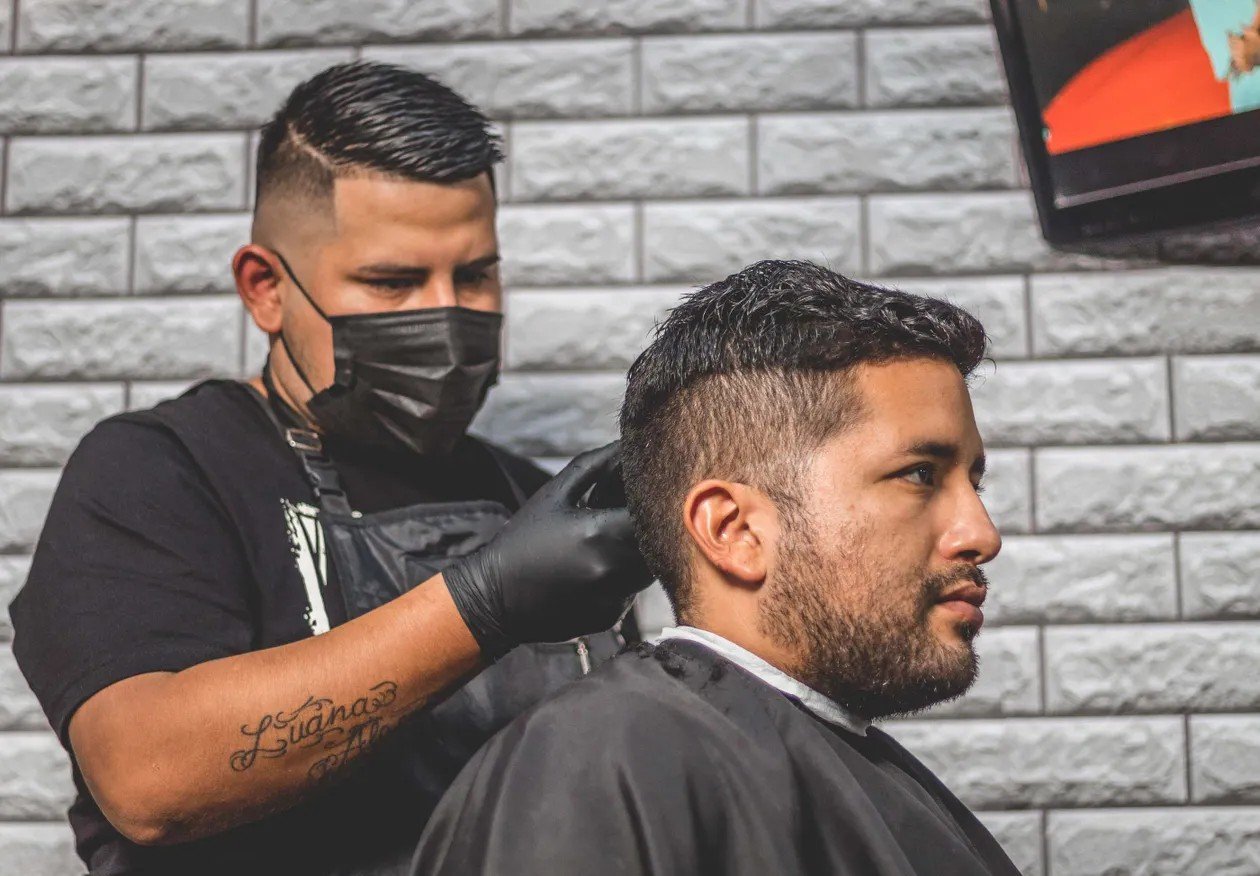
The warrior top kept full, with the sides faded low around the ears and neckline for a cleaner frame. The low fade keeps the rugged top as the whole story while removing the scruffy edge a plain taper can leave. Who it suits: men who want the warrior look to pass in a smart workplace. Maintenance: medium (fade tidy every 3 weeks). Styling tip: keep the fade low and blended — a low fade that creeps too high starts reading as a mid fade and changes the shape.
3. Warrior Cut + Mid Fade

The fade starts at the middle of the sides, giving a clearer contrast between the rough top and the clean sides without going all the way to skin. This is the balanced version most barbers suggest first when a client asks for “warrior cut with a fade.” Who it suits: thick hair, square faces, men who want visible structure. Maintenance: medium-high (every 2–3 weeks). Styling tip: ask the barber to fade up into the texture, not disconnect it, or the top will sit like a cap.
4. Warrior Cut + Skin Fade
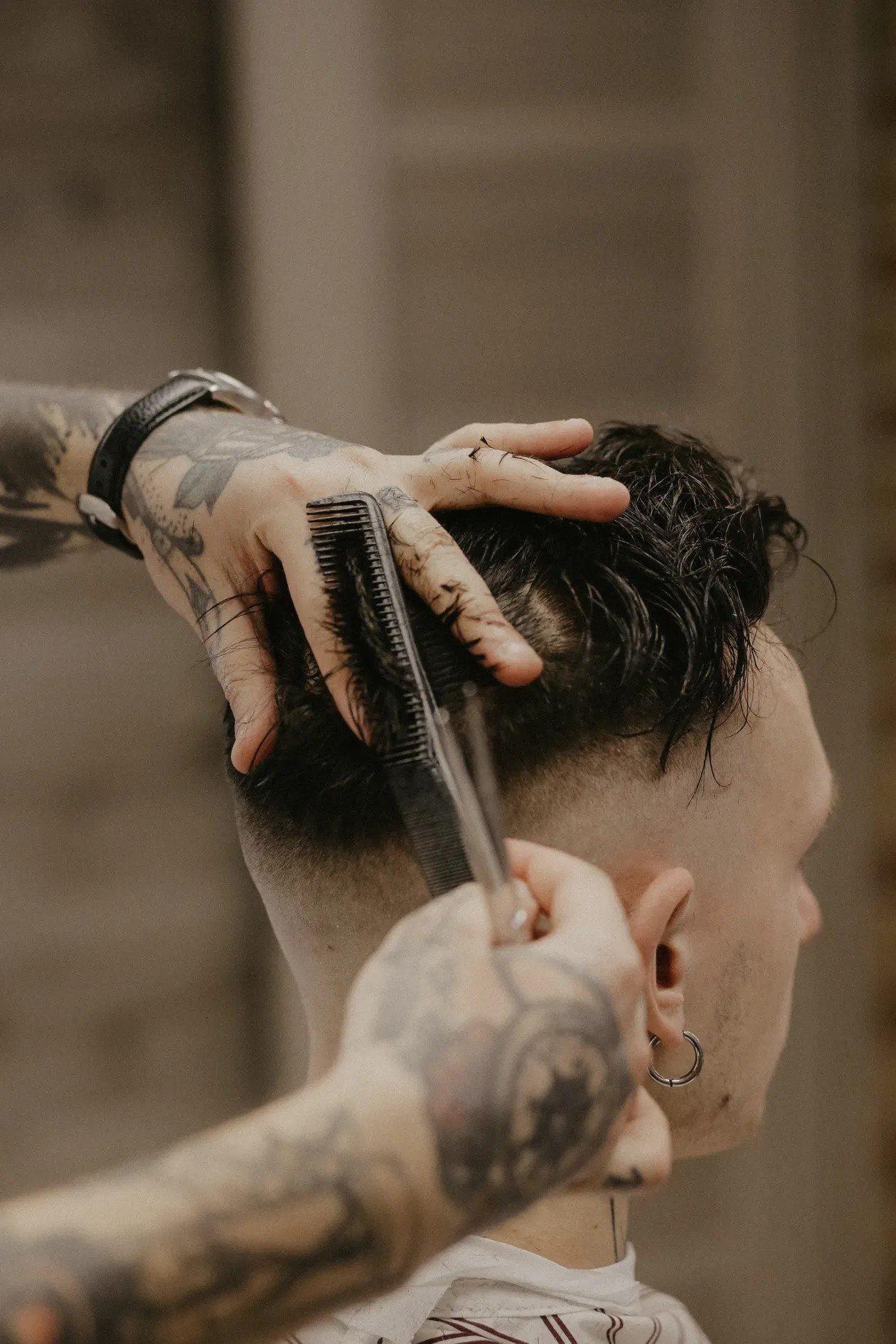
Maximum contrast: sides taken down to skin, the full weight of the look carried by the choppy top. The sharpest and boldest version on this list — and the fastest to grow out, because skin fades show stubble within days. Who it suits: men who like a hard-edged finish and see their barber often. Maintenance: high (refresh every 2 weeks to stay sharp). Styling tip: because the sides are bare, the top’s texture does all the work — keep it matte, never shiny, or the contrast looks greasy instead of rugged.
5. Textured Warrior Cut

The texture turned up furthest: deeper point-cutting, more separation, pieces that clearly read as individual spikes and chunks rather than a smooth top. If the classic version is rugged, this one is battle-worn. Who it suits: thick, straight hair that holds separated pieces without help. Maintenance: low-medium for the cut, medium for daily styling. Styling tip: texture powder at the roots plus a fingertip of clay on the ends gives the dry, separated finish this version lives on.
6. Messy Warrior Cut

The deliberately undone take: layers left a touch longer, finish tousled, no piece sitting where a comb would put it. The mess is styled — the barber still cuts the shape in — but the daily routine is the fastest on this list. Who it suits: wavy hair, casual dressers, men who hate mirrors in the morning. Maintenance: low cut-wise (4–5 weeks), low styling-wise. Styling tip: sea salt spray on damp hair, scrunch, and leave it alone. Overworking this version kills exactly what makes it work.
7. Warrior Cut + Fringe
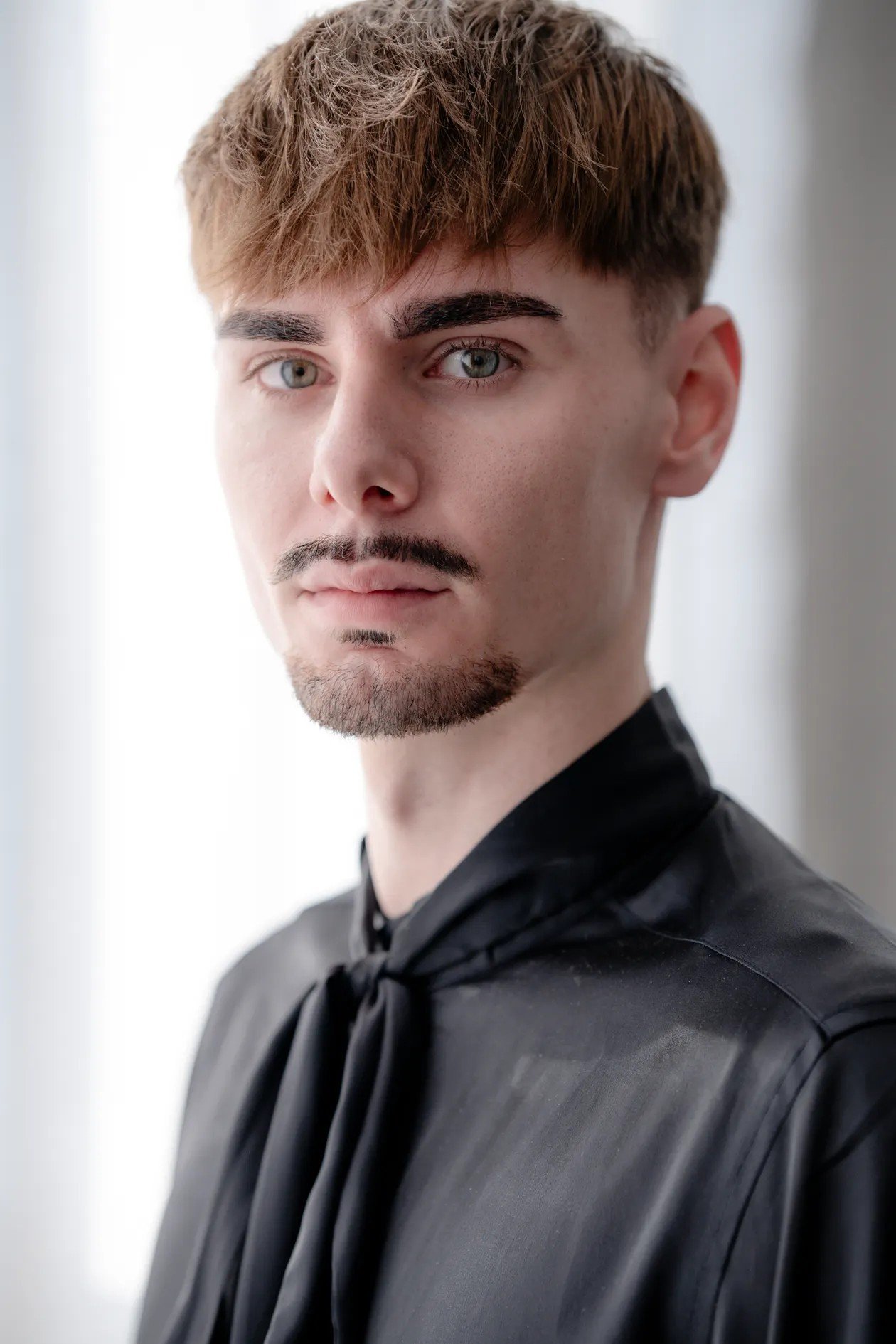
The front layers are left longer and worn as a choppy fringe across the forehead, with the rest of the top textured behind it. The fringe gives the cut its most recognisable silhouette and softens a high forehead at the same time. Who it suits: long and oblong faces, men with larger foreheads. Maintenance: medium (fringe needs trimming before the rest of the cut does). Styling tip: dry the fringe forward with your fingers, never a round brush — curl or bend in the fringe makes it read as a different haircut.
8. Short Warrior Cut

Everything pulled in tighter: top kept around 1–2 inches, choppy texture still cut in, sides tapered close. The lowest-commitment way into the style — and the easiest to grow out or abandon if you change your mind. Who it suits: first-timers, hot climates, men who want the edge without the styling minutes. Maintenance: low-medium (sides tidy every 3–4 weeks). Styling tip: a pea-sized amount of matte clay is genuinely enough at this length; more product just clumps short pieces together.
9. Long Warrior Cut

The top kept long — 4 inches and beyond — with heavy layering so the length falls forward in rough sections instead of hanging like a curtain. The most dramatic version here, and the one closest to the historical look that inspired the name. Who it suits: men growing their hair out, thick hair that can carry the weight. Maintenance: medium (long layers tangle and need conditioning; shape trim every 5–6 weeks). Styling tip: work a light cream through the lengths and let it air-dry; heat styling long textured hair every day will frazzle the ends the style depends on.
10. Warrior Cut for Curly Hair

Curls change the engineering: the top is kept longer so the curl pattern can form, and the texture is cut into the curls dry, following how they actually sit. The forward fall becomes a textured curl fringe instead of straight pieces. Who it suits: wavy-curly to curly hair (2C–3C) that wants a rugged shape without fighting its pattern. Maintenance: medium (curls hide growth longer, but the fade still needs its schedule). Styling tip: curl cream on damp hair, scrunch, do not brush or comb it dry — dry-brushing turns this cut into frizz with a fade.
11. Warrior Cut for Straight Hair
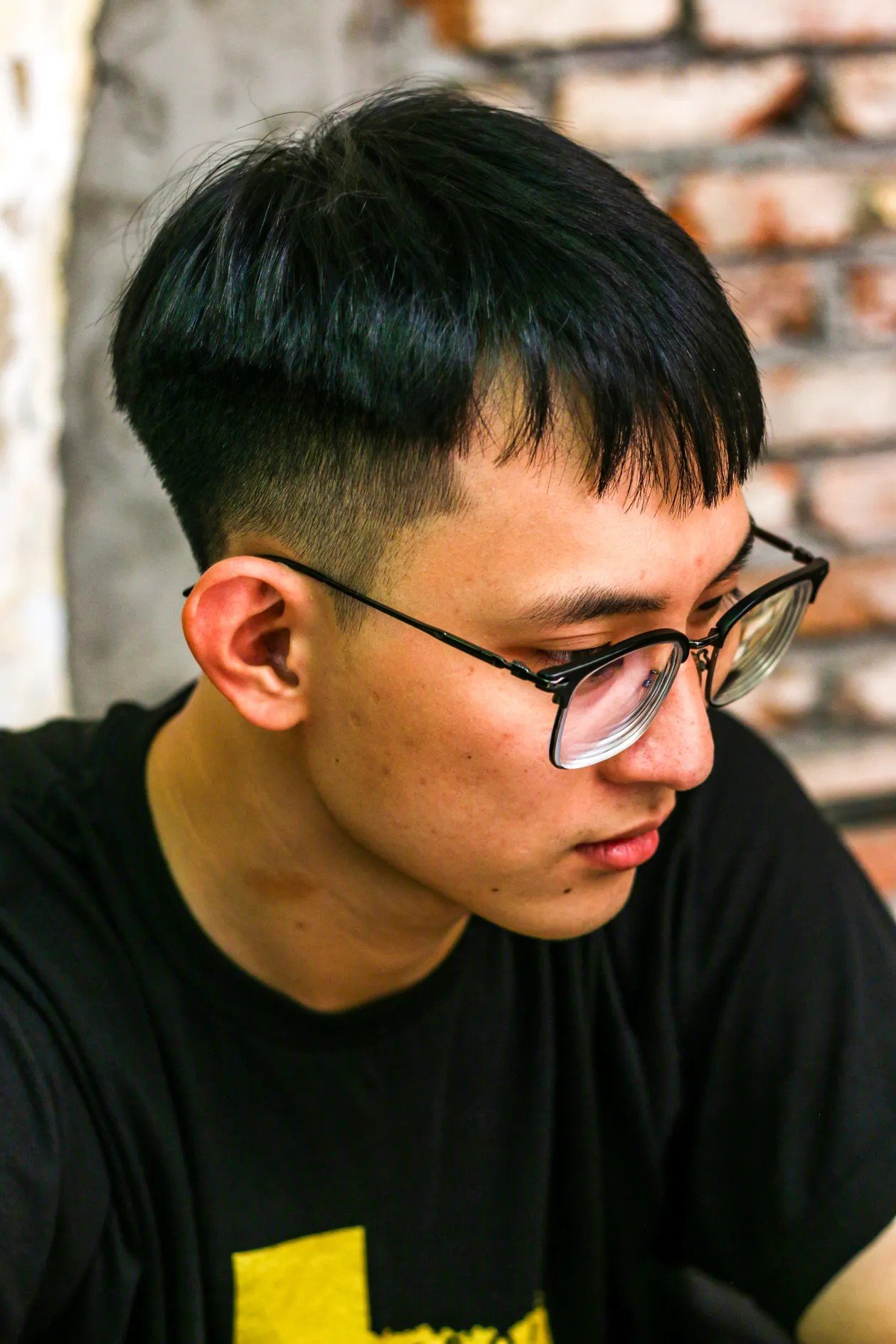
Straight hair is where the cut’s choppiness is most visible — and where it has to be fully cut in, because straight hair creates no texture on its own. Deep point-cutting and razor work give the top its jagged separation. Who it suits: medium to thick straight hair. Maintenance: medium. Styling tip: blow-dry the top forward on low heat with your fingers while it is damp; straight hair dried any other direction will fight you all day.
12. Warrior Cut for Thick Hair

Thick hair carries the warrior cut best, provided the weight is managed from inside. Internal layering and thinning through the mid-lengths stop the top from puffing out into a helmet while keeping the rugged outline intact. Who it suits: dense, coarse hair that grows outward. Maintenance: medium (ask for weight removal at every re-cut, not just the first). Styling tip: tell your barber “take the weight out from the inside” — shortening only the outside of thick hair makes the problem worse within a fortnight.
13. Warrior Cut + Beard

The sides fade or taper down into a full beard, so the rugged finish runs unbroken from the top of the head to the jaw. Keep the beard’s outline as rough-natural as the haircut — a razor-sharp, geometric beard fights the warrior aesthetic instead of completing it. Who it suits: men with full, even beard growth. Maintenance: medium (beard shape-up every 1–2 weeks, haircut on its normal schedule). Styling tip: blend the sideburns into the beard with no hard step, and keep beard length shorter than the drama of the top or the proportions tip over.
14. Warrior Cut + Undercut
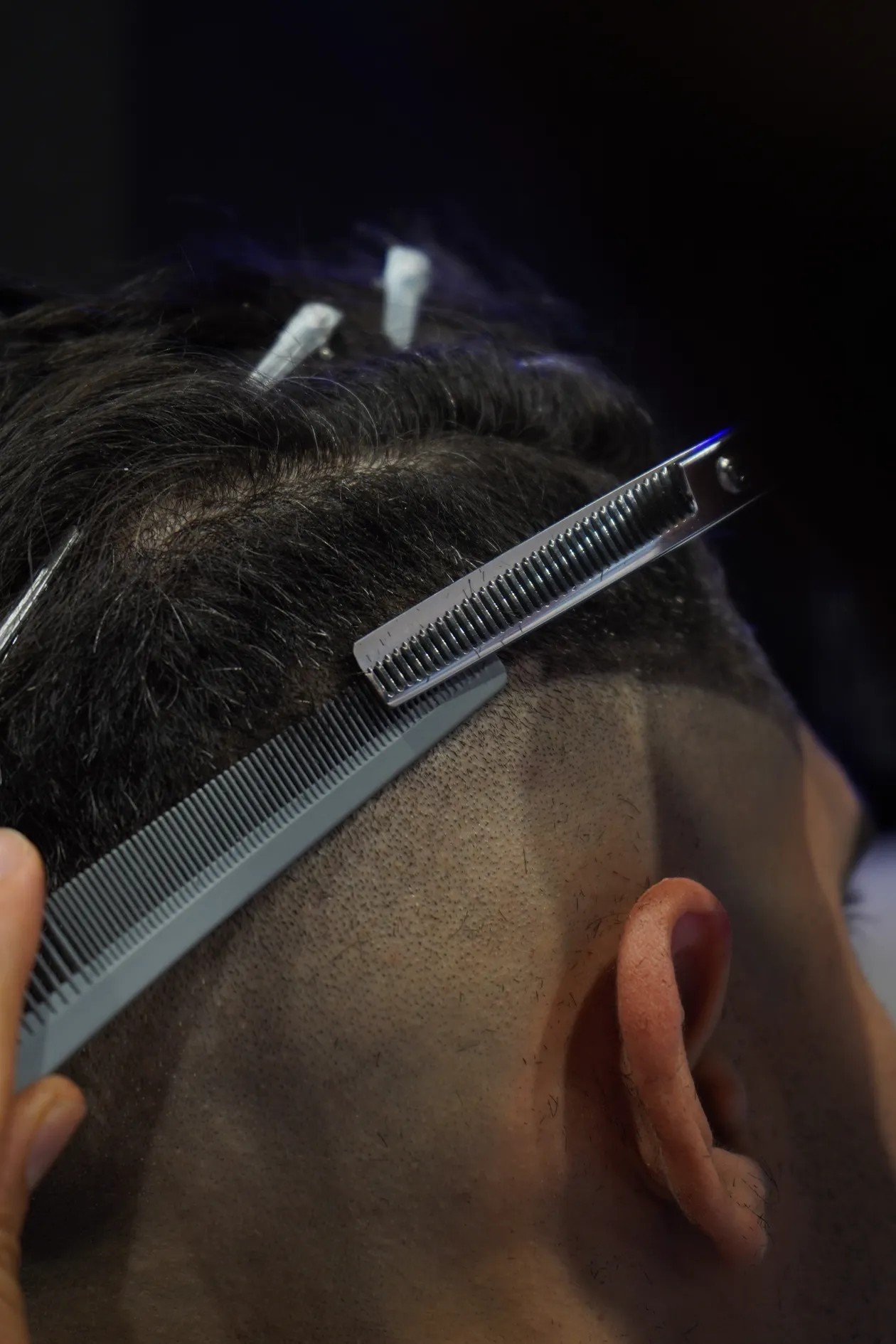
The boldest side treatment on the list: sides clipped short and disconnected from the long, choppy top instead of blended into it. The contrast is deliberate and graphic — the version that leans closest to a mohawk without becoming one, because the top still spans the full width of the head. Who it suits: thick hair, confident dressers, men committed to styling the top daily. Maintenance: high (the disconnect line grows out visibly within 2–3 weeks). Styling tip: on formal days, smooth the top down with a little extra paste; the disconnect softens when the top lies flatter.
15. Warrior Cut + Tapered Mullet Back

The hybrid: warrior texture and forward fringe at the front, but the back is left longer and tapered into a soft mullet tail. It borrows the mullet’s back length without giving up the warrior front — the only style here where the back is part of the look. Who it suits: men torn between the two cuts, medium to long hair. Maintenance: medium (the back needs shaping every 4–5 weeks or it stops reading as a style). Styling tip: keep the back’s length tapered and layered, never one solid shelf of hair — the blend between the warrior top and the longer back is the whole cut.
How to Ask Your Barber for It
Say “warrior cut” first, then lock down the three choices that decide which version you get: “Choppy, textured top worn forward — not up, not a mohawk. Sides: [taper / low taper fade / mid fade / skin fade / undercut]. Fringe: [short and natural / longer choppy fringe].” Bring a photo of the exact style from the 15 above — “warrior cut” alone is a new-enough term that many barbers will interpret it as a mohawk or a faux hawk unless the photo settles it. Key phrases that prevent the common mistakes: “keep the width on top” (stops it becoming a strip), “blend the sides, don’t disconnect them” (unless you chose style 14), and “matte, rugged finish” (stops a shiny, polished styling job that contradicts the cut). If your hair is thick, add “take weight out from the inside.” If it is curly, add “cut the texture in dry, following the curl.”
How to Style a Warrior Cut
Start on damp, towel-dried hair. For straight and wavy hair: a spray of sea salt spray or a pea-sized amount of matte paste worked through with your fingers, everything pushed forward, then pinch and separate a few front pieces so the choppiness reads. For the textured and messy versions, texture powder at the roots adds the dry grit the look is built on. For curly hair: curl cream, scrunch, air-dry — no heat, no dry combing. Keep the finish matte across every version; shine is the one thing that reliably ruins this cut, because it turns “rugged” into “wet.” Day two refresh: mist with water, re-scrunch or re-pinch the front pieces, and add product only where the shape has collapsed — a full re-style every morning is unnecessary and over-products the hair by midweek.
Maintenance: How Often to Trim
The top is forgiving — the choppy layers hold their shape for 4–6 weeks. The sides decide your real schedule. A plain taper or low taper fade: every 3–4 weeks. A mid fade: every 2–3 weeks. A skin fade or undercut: every 2 weeks if you want it sharp, 3 at the outside. The fringe versions (styles 7 and 15) may need a front tidy before the rest of the cut does. Between visits, wash 2–3 times a week — daily washing strips the natural texture the style borrows — and condition the top if you are wearing one of the longer versions.
Warrior Cut vs Mohawk vs Faux Hawk
| Warrior Cut | Mohawk | Faux Hawk | |
|---|---|---|---|
| Top | Choppy, textured, full width | Long central strip only | Longer centre, tapered to sides |
| Sides | Tapered or faded, blended | Shaved or skin-tight | Faded, blended |
| Fringe / front | Falls forward, choppy fringe | Swept up or forward from the strip | Pushed up into a peak |
| Vibe | Rugged, wearable | Punk, extreme | Sporty, early-2000s energy |
| Upkeep | Medium — sides on fade schedule | High — strip and sides both strict | Medium |
FAQ
Is a warrior cut the same as a mohawk?
No. A mohawk removes the sides down to a single central strip of hair. A warrior cut keeps textured hair across the whole top and blends tapered or faded sides into it — the silhouette is wider, flatter and far more wearable day to day.
Can I get a warrior cut with thin or fine hair?
With caution. Light texture on a slightly longer top can work, but heavy chopping on fine hair exposes the scalp and makes it look thinner. Ask your barber for soft texture and keep more length than the photos show — and be ready to accept the short warrior cut (style 8) often reads better on fine hair than the dramatic versions.
Does a warrior cut work on curly hair?
Yes — style 10 above is built for it. The top stays longer, the texture is cut in dry following the curl, and the styling swaps paste for curl cream. The shape reads as a rugged curl fringe rather than straight choppy pieces.
How long does a warrior cut take to style each morning?
Two to five minutes for most versions: product through damp hair, push forward, pinch the front apart. The undercut and long versions take longer; the short and messy versions take under two minutes.
What should I tell my barber so it does not turn into a faux hawk?
Say the top is worn forward, not up, and that you want the width kept across the top. Bringing a photo of the exact style settles it — the name alone is still new enough to be interpreted differently from chair to chair.
How fast does a warrior cut grow out?
Gracefully on top — the layers soften into a textured crop shape. The sides are the giveaway: fades show growth in 2–3 weeks, which is why the trim schedule above is set by the sides, not the top.
Conclusion
The warrior cut earns its trend status honestly: it is one of the few bold cuts that stays wearable, because the drama lives in the texture rather than in shaved extremes. Pick the version that matches your hair and your barber-visit habits — the classic or messy for low effort, a skin fade or undercut for maximum edge, the fringe or mullet-back hybrid if you want the silhouette to do the talking — bring the photo, use the script above, and keep the finish matte. Bold, but built for real life: that is the whole idea.
