
Intro
Curtains are back — and this time they are easier to wear than the 90s version most people remember. A curtains hairstyle is a centre part with longer front layers that fall on either side of the face, like curtains opening from the middle. It works because it softens the hairline, adds movement without a hard shape, and grows out far more gracefully than a fade.
This guide covers 16 curtains hairstyles for men, from the classic 90s cut to textured, wavy, faded and long versions. For each one you will find who it suits, how much upkeep it needs, and exactly what to say at the barber. If you are growing your hair out, or you want a medium-length style that still looks deliberate, curtains are one of the most forgiving places to start.
Quick Answer — Key Takeaways
- Curtains = centre part + longer front layers framing the face. Length on top is usually eyebrow to cheekbone level.
- Best hair types: straight, wavy and lightly curly hair with medium length. Very tight curls can work, but need a different layering approach.
- Best face shapes: oval, oblong, square and heart shapes benefit most; round faces need extra height on top to avoid widening the face.
- Upkeep: a trim every 6–8 weeks to keep the shape; daily styling takes 2–5 minutes once the part is trained.
- Grow-out friendly: curtains are one of the few styles that look better, not worse, as they grow — the layers simply get softer.
What Are Curtains? Who Suits Them?
Curtains sit between a short haircut and long hair. The top is left long enough to part in the middle, the front pieces are layered so they sweep back from the forehead, and the sides can be left natural, tapered, or faded depending on how clean you want the outline.
It suits men who want visible length without the commitment of long hair. Straight hair shows the cleanest part line. Wavy hair gives natural volume and movement with less styling. Lightly curly hair can hold the shape well if the layers are cut to let the curl fall rather than puff out. Fine hair benefits from texture and a light volumising product; thick hair benefits from weight removal through soft layers so the front does not sit heavy.
Face shape matters mainly for balance. If your face is round, keep more height at the crown and keep the sides tighter so the shape lifts upward. If your face is long, a slightly fuller curtain with softer volume at the sides balances the length. If you have a strong jaw or square shape, the soft front layers take the edge off without hiding the jawline.
One honest limit: curtains need length. If your hair is currently a short crop or buzz, you will need roughly 3–5 months of growth before a true curtain shape is possible. The awkward middle stage is real — a hat, a light hold product, and patience get most people through it.
16 Best Curtains Hairstyles for Men
1. Classic 90s Curtains

The original: a clean centre part, medium length all over the top, front pieces falling to the cheekbones, natural sides. Who it suits: oval and oblong faces, straight to wavy hair. Maintenance: low-medium. Styling tip: part on damp hair, let it air-dry or blow-dry on low heat away from the face.
2. Flowy Middle Part

A softer, more modern take — longer layers, more movement, less structure. The part is slightly off-perfect so it looks natural rather than drawn on. Who it suits: wavy and thick straight hair. Maintenance: low. Styling tip: scrunch a pea-sized amount of lightweight cream through damp hair for movement.
3. Curtain Fringe

Shorter than classic curtains — the fringe just brushes the eyebrows. Good starter version if you are not ready for long hair. Who it suits: straight and fine hair, first-time curtain wearers. Maintenance: medium (trim every 5–6 weeks). Styling tip: blow-dry forward, then split with fingers.
4. Textured Curtains
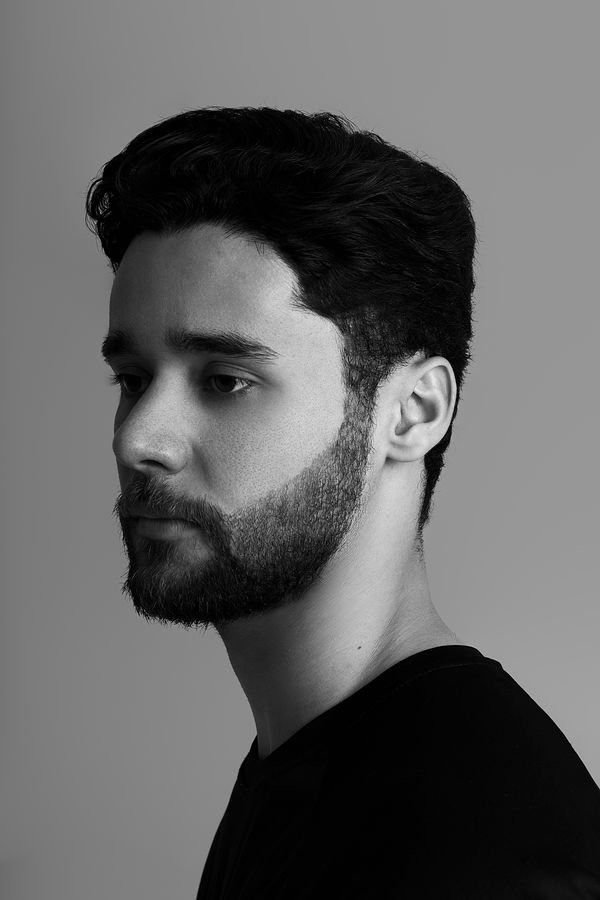
Point-cut or razor-textured ends so the front looks piecey, not blunt. Adds grip for fine hair and breaks up thick hair. Who it suits: fine to medium hair that falls flat. Maintenance: medium. Styling tip: sea salt spray on damp hair, then rough-dry.
5. Curtains + Low Taper

Curtains on top, sides gently tapered at the neckline and sideburns. Keeps the soft top but adds a clean edge. Who it suits: men who want curtains that still look tidy at work. Maintenance: medium (taper needs a tidy-up every 3–4 weeks). Styling tip: keep the taper blended, not a hard fade line.
6. Curtains + Undercut
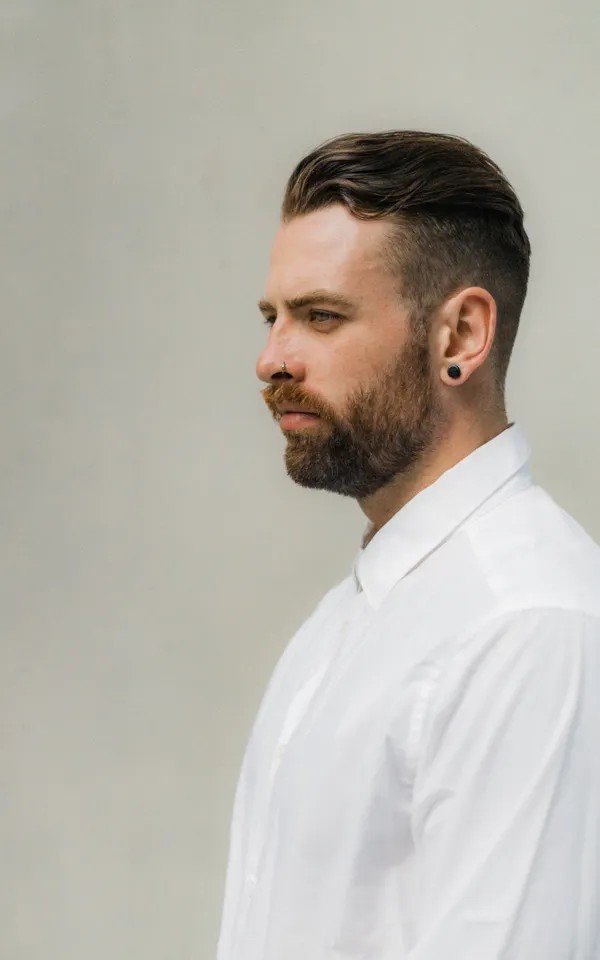
A sharper contrast: long curtain top with disconnected or closely clipped sides. The top does all the talking. Who it suits: thick hair, square faces, bolder dressers. Maintenance: high (sides grow out fast). Styling tip: tuck the front behind the ears for a cleaner line on formal days.
7. Wavy Curtains
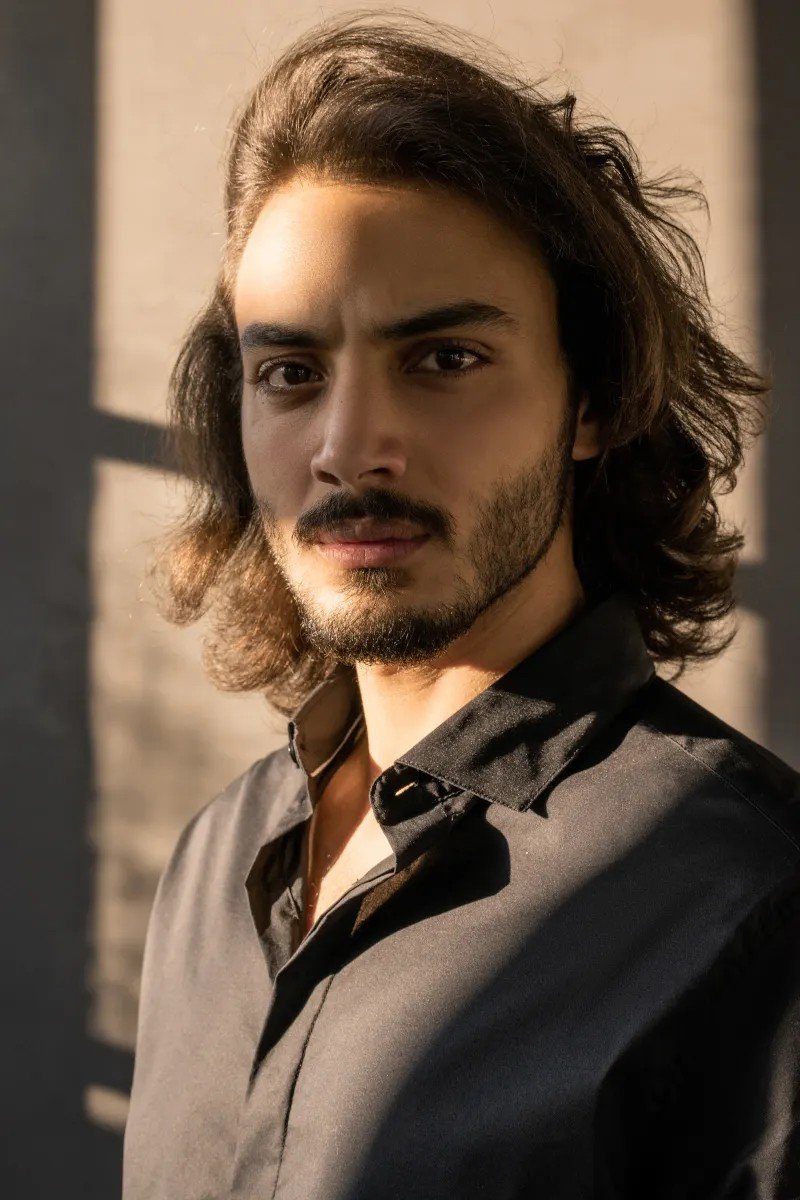
Let natural wave do the work — layers follow the wave pattern so the curtain opens naturally. Who it suits: naturally wavy hair. Maintenance: low. Styling tip: curl cream on damp hair, diffuse or air-dry, do not brush dry.
8. Straight Curtains
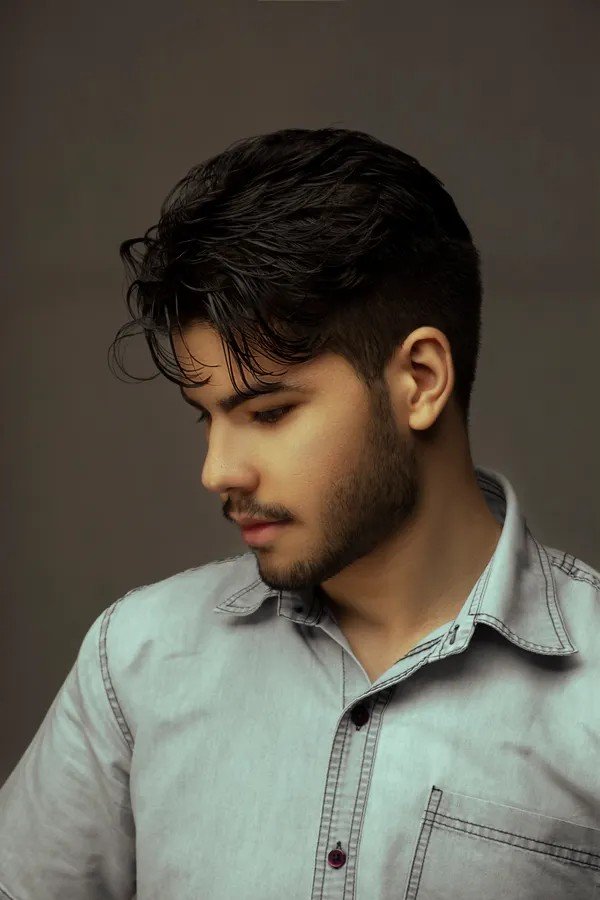
Sleek, smooth, precise — the curtain for straight hair that lies flat. The part line is the feature. Who it suits: straight, medium-density hair. Maintenance: low-medium. Styling tip: lightweight serum to control flyaways, avoid heavy wax that flattens the part.
9. Long Curtains
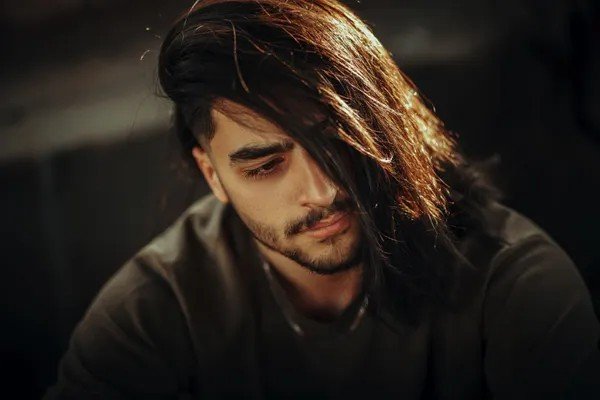
Past the cheekbones, sometimes to the jaw. The most 90s-rock version, and the best grow-out reward. Who it suits: men committed to longer hair, oval/oblong faces. Maintenance: medium (ends need care). Styling tip: conditioner on the ends, trim split ends every 8 weeks.
10. Curtains + Mullet
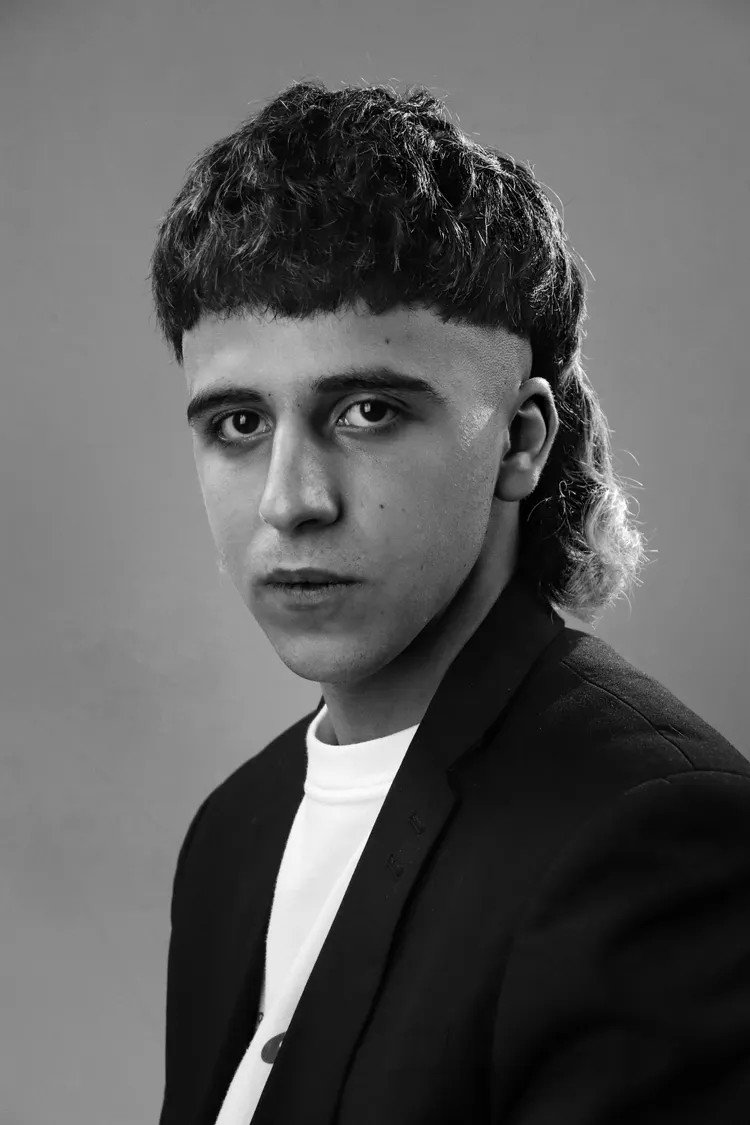
Curtain front, longer back. A hybrid that has grown popular with younger wearers. Who it suits: wavy/thick hair, men who already like a mullet shape. Maintenance: medium. Styling tip: keep the front curtain clean so the back does not read messy.
11. Messy Curtains
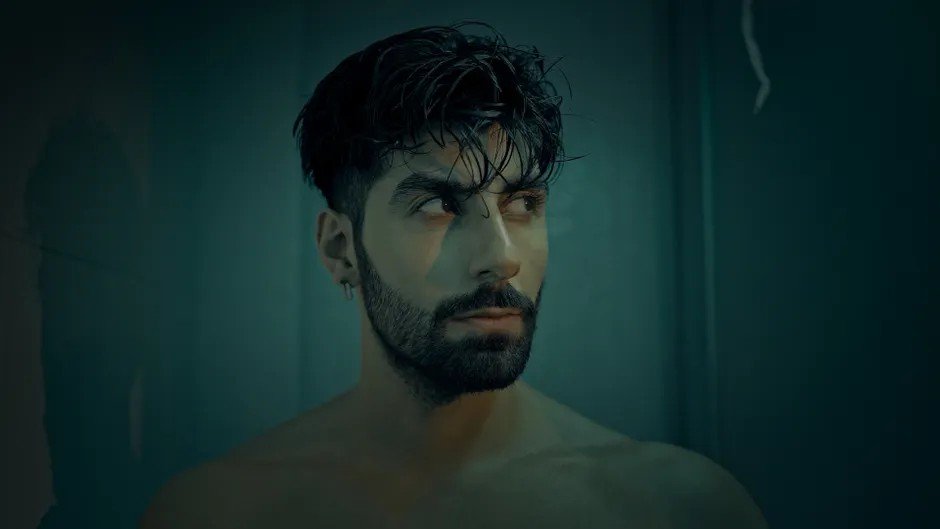
Deliberately undone — uneven part, tousled layers, no perfect line. The lowest-effort curtain that still looks styled. Who it suits: wavy and thick hair, casual wearers. Maintenance: low. Styling tip: matte clay, worked through with fingers, not a comb.
12. Curtains for Curly Hair

Curls are layered so they fall in two soft panels instead of one rounded shape. Needs a barber who cuts curly hair dry or with curl in mind. Who it suits: loose to medium curls. Maintenance: medium. Styling tip: leave-in conditioner + curl cream, do not rake the part with a fine comb.
13. Curtains for Thin / Fine Hair

Shorter curtain, textured ends, and volume at the roots so fine hair does not look flat. Avoid heavy products. Who it suits: fine or thinning-at-the-crown hair (not advanced hair loss). Maintenance: medium. Styling tip: volumising powder at the roots, light hold spray.
14. Curtains for Thick Hair
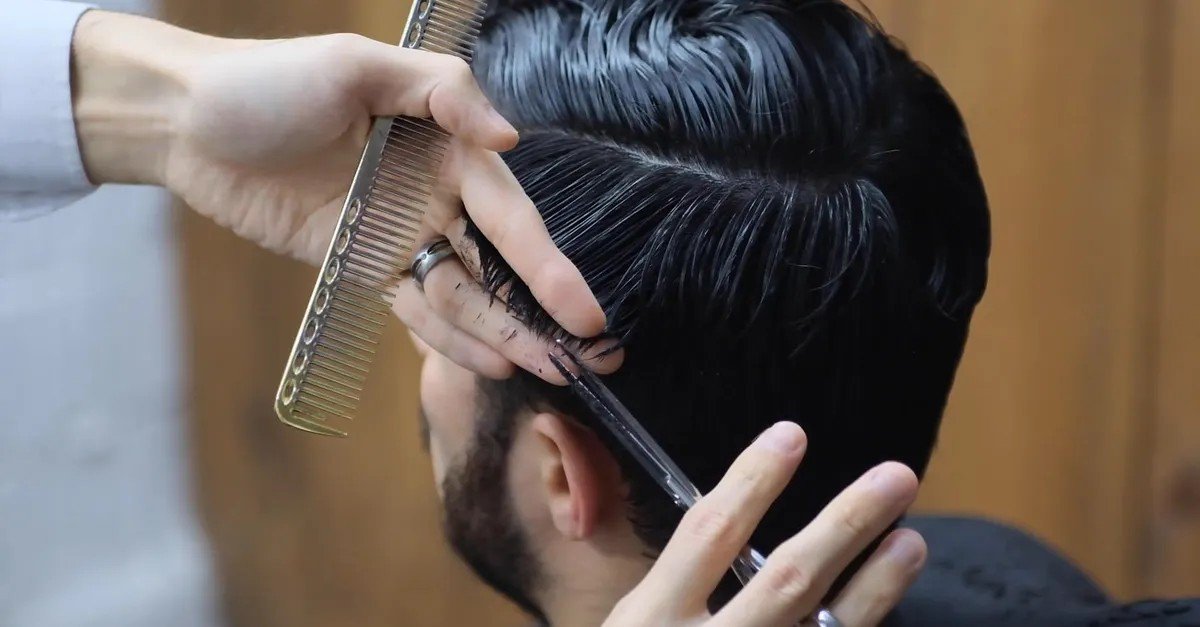
Weight removed through internal layers so thick hair sits soft instead of bulky. The curtain opens cleanly instead of puffing out. Who it suits: thick, dense hair. Maintenance: low-medium. Styling tip: thinning shears at the barber, not at home.
15. Curtain Crop (Short Curtains)

A shorter, Fall-2026-leaning version: cropped sides, short curtain panels sweeping to the cheekbones, easy grow-out. Who it suits: men who want curtains without long-hair commitment. Maintenance: medium. Styling tip: finger-comb the panels forward, then split.
16. Grown-Out Curtains (Grow-Out Stage)

The in-between version — not a fresh cut, but a deliberate grow-out shape with softened ends. This is the style most men actually live in for months. Who it suits: anyone growing from short to medium. Maintenance: low. Styling tip: trim only the very ends every 8 weeks, keep the part trained daily.
How to Ask Your Barber for Curtains
Say this: “I want curtains — a centre part, top long enough to fall to my cheekbones, soft layers in the front, and [natural / tapered / faded] sides.” Bring 2–3 photos of the exact version you want — classic, textured, or faded — because “curtains” means slightly different things to different barbers. Ask for: length left on top (usually 4–6 inches at the front), soft layers (not blunt), and whether they recommend point-cutting for your hair type. If you have curly or thick hair, ask specifically how they will layer to control volume.
How to Style Curtains (Daily, 2–5 Minutes)
- Start damp: wash or dampen, towel-dry until just damp.
- Find the part: use a comb to draw a centre line, then let your natural part guide it — forcing a perfectly straight part on a strong natural side-part often fights you.
- Add product: lightweight cream for soft hold, sea salt spray for texture, matte clay for messy versions. Avoid heavy wax or high-shine pomade unless you want a sleek look.
- Dry with direction: blow-dry on medium heat, directing hair away from the face and slightly back, or air-dry for a softer finish. Rough-dry wavy hair; smooth-dry straight hair.
- Fix the front: once dry, split the front panels with fingers. Do not over-comb — curtains look best with a little imperfection.
Common mistakes: cutting the front too short (it springs up), using too much product (it clumps), and re-parting dry hair every hour (it creates frizz).
Curtains vs Middle Part vs Side Part
| Style | Part | Length needed | Feel |
|---|---|---|---|
| Curtains | Centre, with long front panels | Medium (front to cheekbone) | Soft, 90s, face-framing |
| Middle part (general) | Centre, top can be shorter | Short–medium | Neater, more everyday |
| Side part | Off-centre | Short–medium | Classic, more formal |
Curtains are a type of middle part, but with longer, more visible front panels. If you want the curtain look without the length, a short middle part with a curtain fringe (Style 3) is the closest compromise.
FAQ
How long does hair need to be for curtains? Front length to the eyebrows at minimum, to the cheekbones for the full look — usually 4–6 inches on top. From a short crop, expect 3–5 months of growth.
Do curtains suit round faces? Yes, with height on top and tighter sides — that lifts the shape instead of widening it. Avoid a wide, flat curtain with no crown height.
How often should I trim curtains? Every 6–8 weeks for shape; every 3–4 weeks if you have a taper or undercut on the sides.
Can I get curtains with curly hair? Yes, if the cut respects the curl pattern — layers should let curls fall in panels, not be cut to a straight-hair template. Ask for a curly-hair-aware cut.
Are curtains still in style in 2026? Yes — A/W 2026 trend coverage lists the flowy middle part / curtains as a key men’s style, and the curtain crop is cited as a Fall 2026 request. Trend signals are directional; KD + USA volume not verified with a paid tool.
What product is best for curtains? Lightweight cream or sea salt spray for most hair; matte clay for messy versions; light serum for sleek straight versions.
Conclusion
Curtains work because they are forgiving: they suit most hair types, they grow out well, and they can be as tidy or as messy as your day needs. Start with the version that matches your hair — textured for fine hair, wavy for natural wave, low taper if you need a cleaner outline — and give the part 2–3 weeks to settle. If you are growing out, the grown-out curtain is not a failed haircut, it is the style itself.
Related Reading
