
The wolf cut had a loud phase — sharp layers, heavy volume, mullet energy turned all the way up. The soft wolf cut is what happens when that energy grows up. Same layered DNA, but the edges are gentler: less height at the crown, a softer outline, and movement that looks natural instead of engineered. It is the version of the wolf cut you can wear to the office on Monday and still feel like yourself at the weekend.
This guide covers 16 soft wolf cut styles for men, built for wavy and straight hair — the textures the classic wolf cut was not originally made for. For each style you will find who it suits, how much upkeep it takes, and exactly what to say at the barber. If you liked the idea of a wolf cut but not the drama, this is the cut you were actually looking for.
Quick Answer — Key Takeaways
- A soft wolf cut = wolf-cut layering with gentler volume: medium layers through the crown, soft tapered or faded sides, and a natural outline instead of a sharp silhouette.
- Best hair types: wavy (2A–2C) and straight hair that can hold soft movement; thick hair needs weight removed, fine hair needs texture to avoid falling flat.
- Best face shapes: oval, oblong and heart shapes wear it most easily; round faces need height at the crown and tighter sides to avoid widening.
- Upkeep: a trim every 6–8 weeks keeps the shape; daily styling takes 3–5 minutes with sea salt spray or light cream.
- It grows out gracefully — soft layers fade into a shag-like shape, not an awkward mess.
What Is a Soft Wolf Cut? (vs Classic Wolf, Mullet, Shag, Curly Wolf)
Every wolf cut mixes two older ideas: the shag’s choppy layers and the mullet‘s short-front-long-back shape. The classic wolf cut leans into both — big crown volume, visible length at the back, a deliberate edge. The soft wolf cut keeps the blueprint but turns down the contrast. Layers are longer and blended so there are no harsh steps. The crown has movement, not height. The back is longer than the front, but only by a little — enough for shape, not enough for mullet territory.
Against the shag: a shag is layering for its own sake, often with fringe-heavy fronts. The soft wolf cut keeps the front-to-back shape of the wolf family — shorter pieces around the face, longer pieces toward the neck. Against the curly wolf cut (covered on this site for curly textures): that version is built around curl volume and frizz control. This guide is built around wave and straight hair, where the challenge is the opposite — creating movement that is not there naturally, rather than taming movement that is.
One honest limit: if your hair is very fine and pin-straight, a soft wolf cut needs styling product every day to hold its shape. Without it, the layers can fall flat and read as "grown-out haircut" rather than a style. That is a product commitment, not a dealbreaker — but it should be an informed one.
Who Suits a Soft Wolf Cut?
Wavy hair is the sweet spot. Natural wave gives the layers something to work with, and the cut’s softness flatters the wave pattern instead of fighting it. Straight hair works well too, especially medium to thick straight hair — the layers create movement the hair would not have on its own, and a taper or fade on the sides keeps the outline deliberate.
Face shape is mostly about the crown and sides. Round faces need the crown lifted and the sides kept close so the head looks longer. Long or oblong faces can take a fuller curtain-like front and a little more width at the sides to balance length. Square jaws soften nicely under the face-framing front layers — the softness is doing real work here, which is why this variant beats the classic wolf cut for strong jawlines.
What to avoid: very tight coils are a different article (see the curly wolf cut guide) — the layering approach and the styling routine are genuinely different. And if you need a zero-product routine, this is not that cut; plan on sea salt spray or a light cream at minimum.
16 Best Soft Wolf Cut Styles for Men
1. Classic Soft Wolf
The baseline: medium blended layers through the crown, gentle taper at the sides and neckline, front pieces falling just past the ears, back a touch longer. Nothing extreme — the shape reads as "effortless" from across the room. Who it suits: wavy to straight medium hair, oval faces. Maintenance: low-medium (trim every 6–8 weeks). Styling tip: sea salt spray on damp hair, scrunch, air-dry.

2. Wavy Soft Wolf
Layers cut to follow the natural wave pattern so the cut opens up on its own. The wave does half the styling work — this is the lowest-effort version of the soft wolf. Who it suits: naturally wavy 2A–2C hair. Maintenance: low. Styling tip: curl cream on damp hair to define waves, do not brush dry.

3. Straight-Hair Soft Wolf
Proof the wolf family is not only for texture — soft internal layers create swing and movement in straight hair that would otherwise hang flat. The sides stay neat so the top’s movement reads as intentional. Who it suits: medium to thick straight hair. Maintenance: medium. Styling tip: blow-dry with a round brush for bend, finish with light cream.

4. Short Soft Wolf
Top kept 3–4 inches, sides tapered close, back just past the neckline. All the wolf character in a compact package — the entry-level version and the hot-climate version. Who it suits: first-time wolf cuts, men who want low commitment. Maintenance: low-medium (sides need tidying every 4–5 weeks). Styling tip: matte paste, work it through dry hair for separation.

5. Long Soft Wolf
Back kept 5+ inches with long blended layers, front pieces reaching the jaw. The dramatic end of the soft spectrum — still gentle, just more of it. Who it suits: men growing hair out, thick hair that can carry length. Maintenance: medium (long layers tangle; condition well). Styling tip: leave-in conditioner + sea salt spray, air-dry.
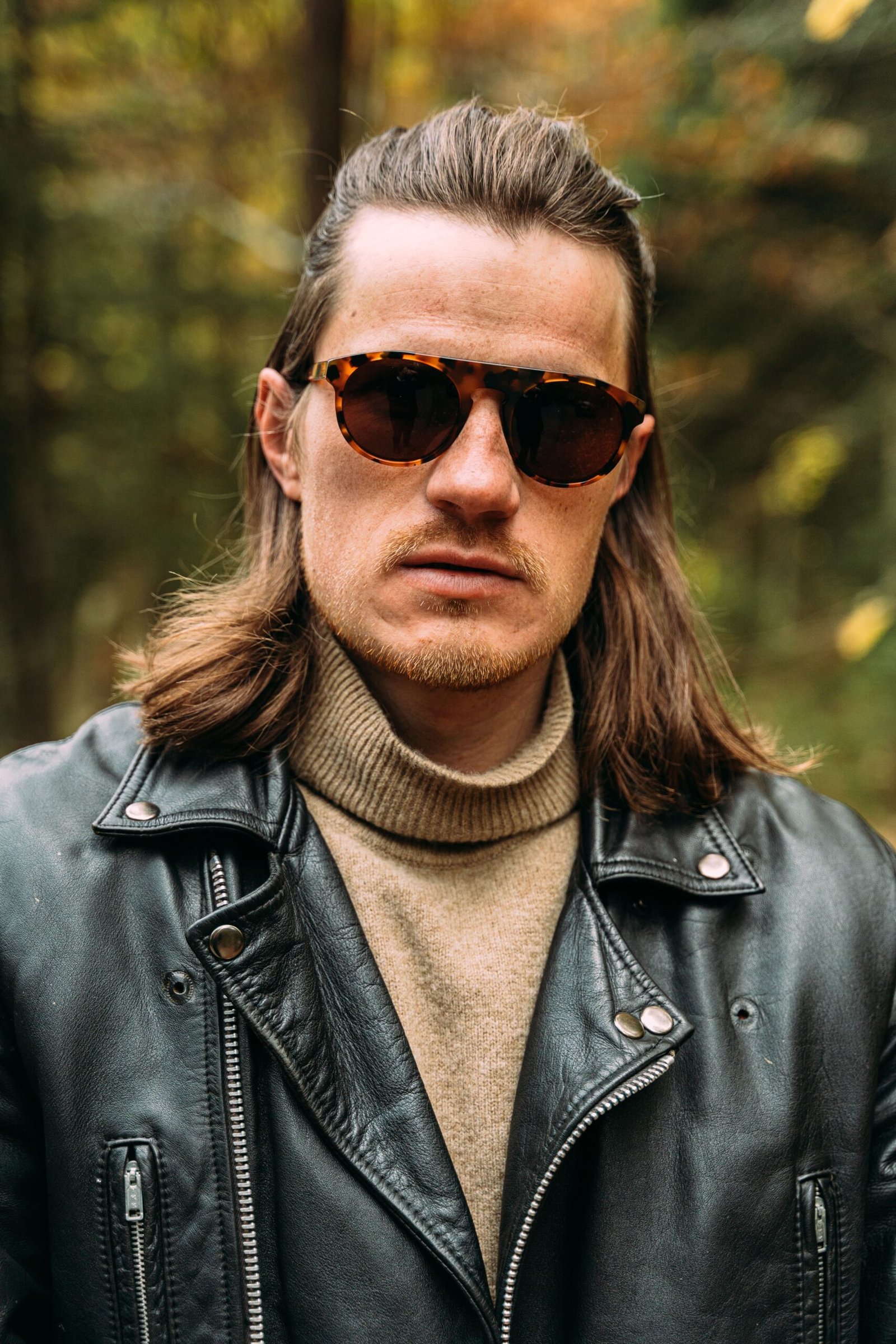
6. Grown-Out Soft Wolf
What the cut looks like at 8–10 weeks, worn on purpose: layers softened further, outline relaxed, a lived-in shag character. Ask your barber to cut it so it grows into this shape, not just looks good on day one. Who it suits: men who cannot visit the barber monthly. Maintenance: low (that is the point). Styling tip: refresh with dry shampoo at the roots, cream on the ends.

7. Soft Wolf + Curtain Fringe
Front layers parted in the middle, falling to either side of the face like curtains over the wolf shape. Softens the forehead and frames the cheekbones. Who it suits: oval and heart-shaped faces, straight to wavy hair. Maintenance: medium (part needs training on damp hair). Styling tip: part while wet, blow-dry away from the face on low heat.

8. Soft Wolf + Textured Fringe
Front layers fall forward as a piecey fringe instead of parting. Covers more forehead, adds edge without the drama of a classic wolf. Who it suits: men who want forehead coverage, longer foreheads. Maintenance: medium (fringe needs trims to stay above the eyes). Styling tip: point-cut texture is key — ask for it, then rough-dry forward.
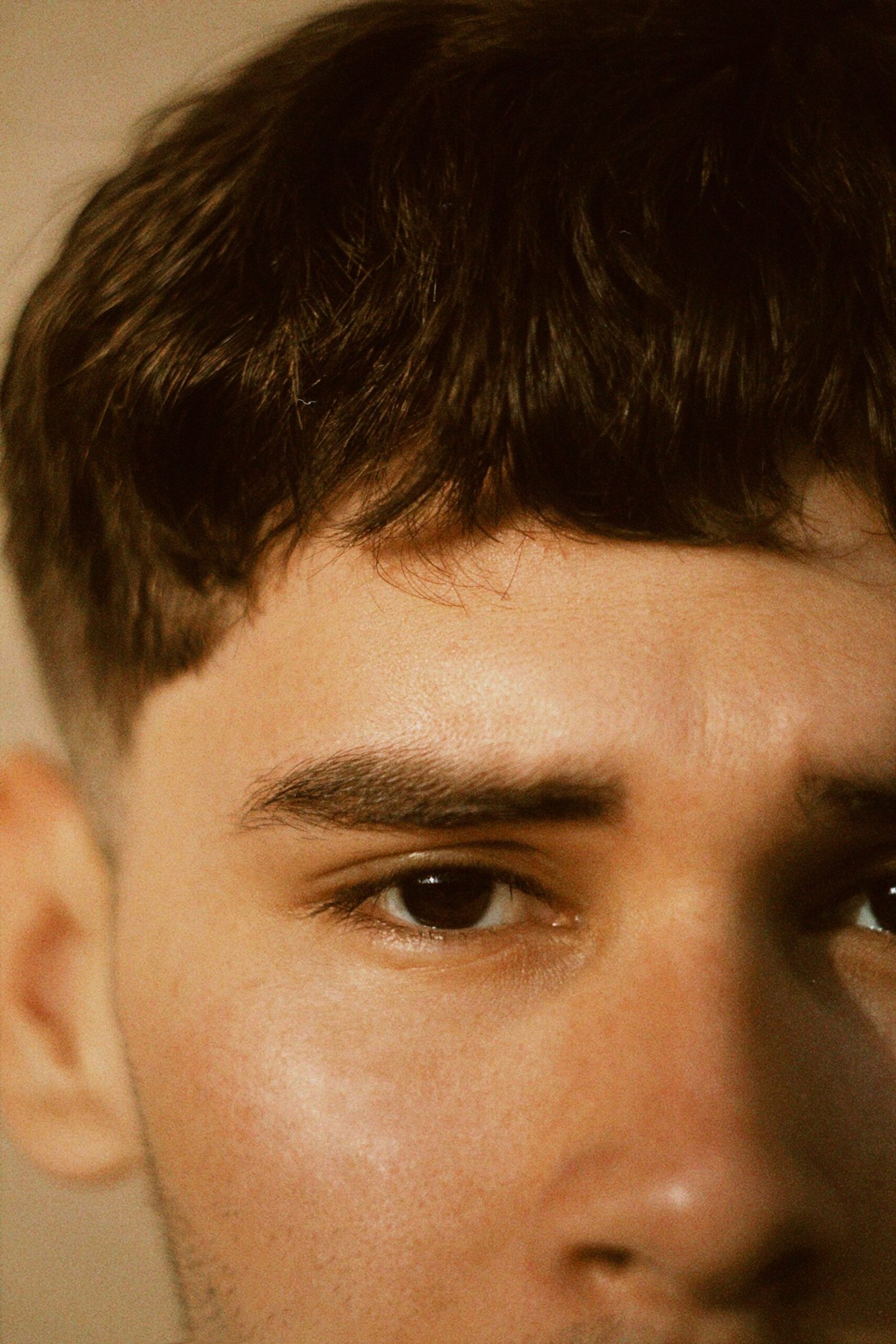
9. Messy Soft Wolf
Deliberately undone: choppier ends, tousled finish, the "I woke up like this" version. The mess is styled, not accidental — product placement matters more here than in the classic version. Who it suits: wavy hair, casual dressers. Maintenance: low cut-wise, medium styling-wise. Styling tip: texture powder at the roots + matte clay on the ends, tousle.
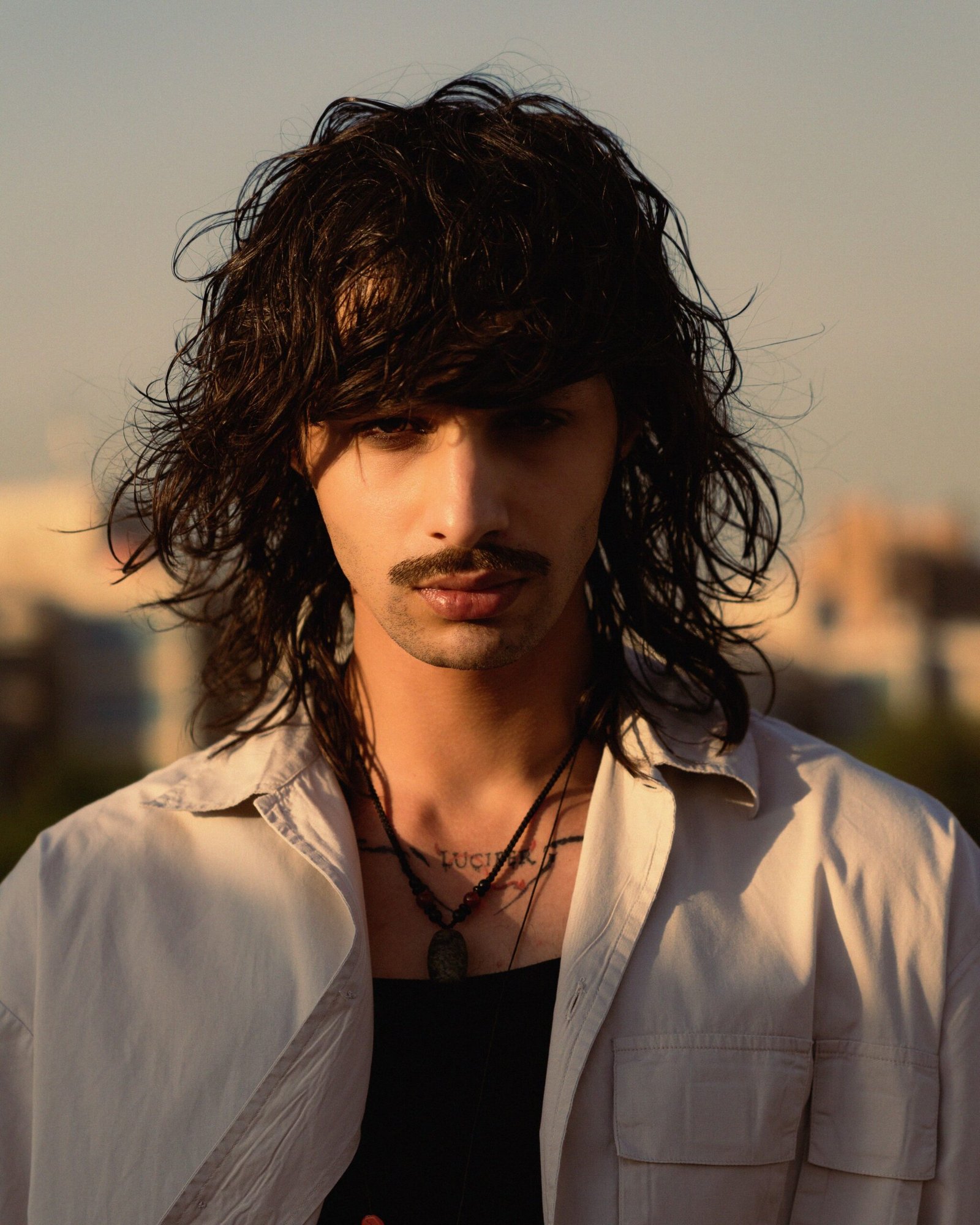
10. Soft Wolf + Low Taper
Soft layered top with sides gently tapered at the neckline and sideburns — the tidy version. Keeps the wolf character up top but reads clean at work. Who it suits: men who want the cut office-safe. Maintenance: medium (taper needs tidying every 3–4 weeks). Styling tip: keep the taper blended, not a hard line, so the softness stays consistent.
11. Soft Wolf + Mid Fade
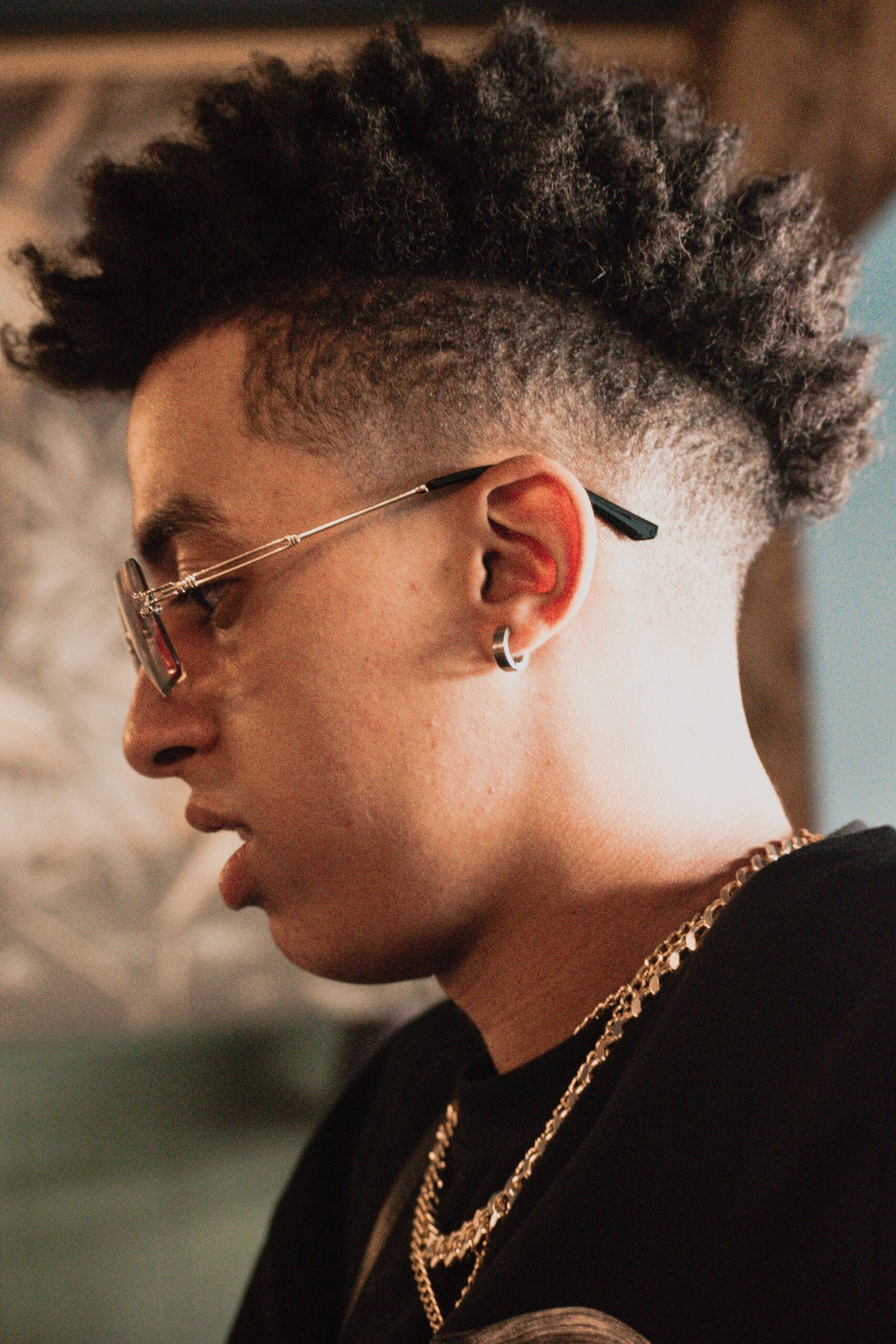
Fade starts mid-side for more contrast than the low taper — sharper profile, same soft top. The most requested wolf-plus-fade combo this year. Who it suits: thick hair, men who like definition at the sides. Maintenance: high (fade needs refresh every 2–3 weeks). Styling tip: ask the barber to blend the fade into the layers, not disconnect it.

12. Soft Wolf + Undercut
Disconnected or closely clipped sides under the layered top — maximum contrast, the boldest soft-wolf option. The top does all the talking. Who it suits: thick hair that needs weight removed, confident dressers. Maintenance: high (sides grow out fast). Styling tip: tuck the front behind the ears on formal days for a cleaner line.

13. Soft Wolf With Highlights
One to two shades lighter on the top layers only, so the layer separation actually shows. Dimension without full colour commitment. Who it suits: men who want the layers to read visually, medium-brown and darker hair. Maintenance: high (colour needs refreshing every 6–8 weeks). Styling tip: keep highlights subtle — the soft wolf is about gentleness, chunky streaks fight it.

14. Soft Wolf for Thick Hair
Weight removal is the whole game: internal thinning and long layers so thick hair moves instead of sitting like a helmet. The outline stays soft because bulk is taken from inside, not from the ends. Who it suits: thick, dense hair. Maintenance: medium (needs a barber who understands weight removal). Styling tip: ask specifically for internal layering, not just shorter ends.

15. Soft Wolf for Fine Hair
The opposite engineering: shorter layers and texture to create the illusion of density. Ends are point-cut so they do not look wispy, and the crown gets gentle lift. Who it suits: fine hair that falls flat. Maintenance: medium (product every day is non-negotiable). Styling tip: texture powder or sea salt spray at the roots, never heavy wax.

16. Soft Wolf + Beard
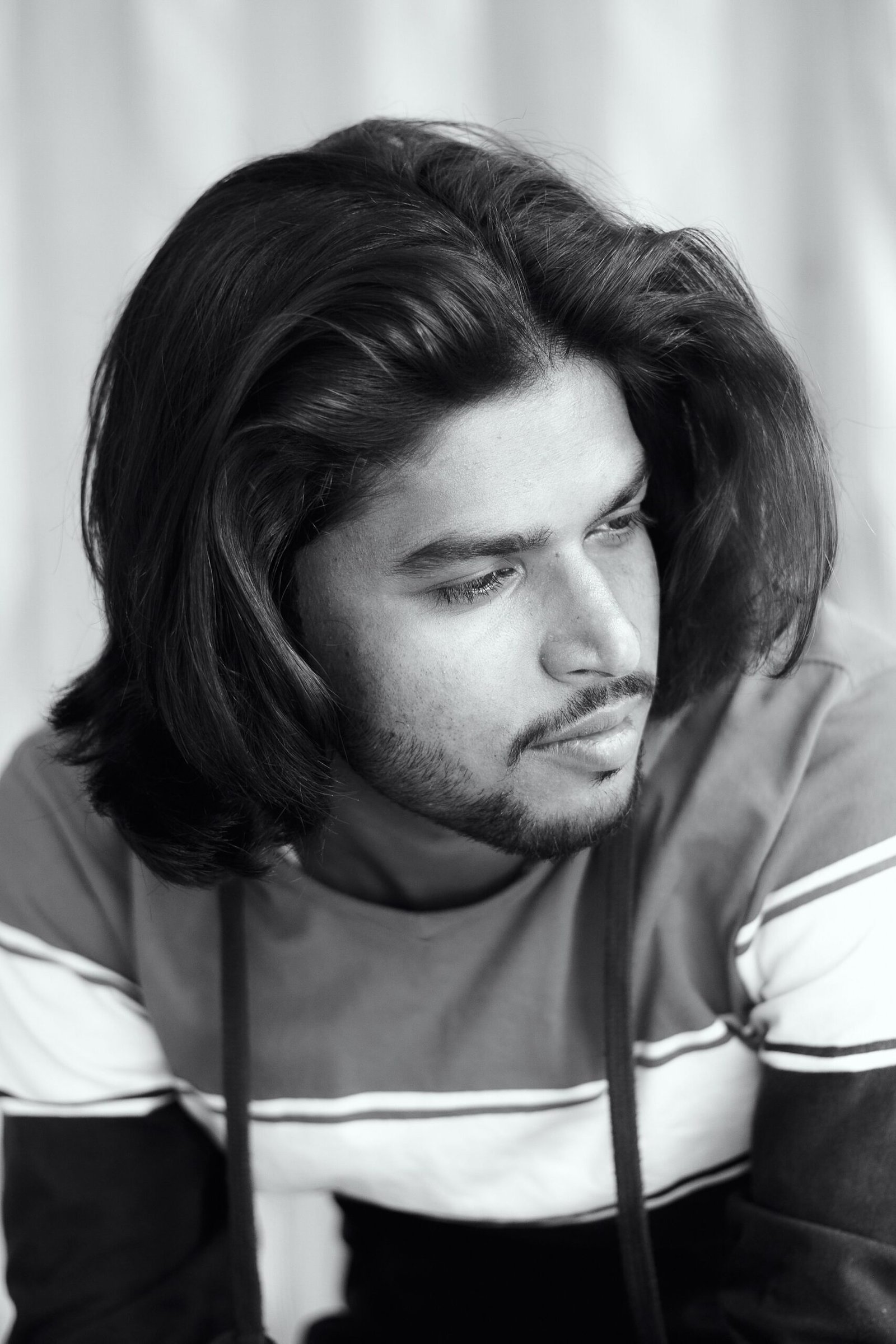
The taper blends down into a groomed beard for one continuous shape. Keep the beard length proportional — a very long beard plus a long wolf back can look unbalanced. Who it suits: men with full beards. Maintenance: medium (beard line-ups every 1–2 weeks). Styling tip: fade the sideburns into the beard, do not leave a hard disconnect.
How to Ask Your Barber for It
Say "soft wolf cut" first, then narrow it: "blended layers, not choppy — I want the gentle version, not the sharp one." Bring a photo of the exact variant (wavy, straight, faded — whichever you are after), because "wolf cut" alone still means the dramatic version to many barbers. Key phrases: medium layers through the crown, soft outline, front pieces face-framing, back slightly longer than the front, sides tapered or faded to your choice. If your hair is thick, add "take weight out from the inside." If it is fine, add "keep the ends textured so it does not look thin."
How to Style a Soft Wolf Cut
The routine is lighter than the curly wolf cut’s: no curl cream layering, no diffusing. Start with damp hair. For wavy hair: sea salt spray, scrunch, air-dry — done. For straight hair: sea salt spray or light mousse, blow-dry with fingers or a round brush for bend, finish with a pea-sized amount of matte cream. Low heat is enough; this cut is not about precision. Refresh on day two with dry shampoo at the roots rather than re-washing — the cut looks better with a little lived-in texture.
Soft Wolf Cut vs Curly Wolf Cut vs Shag
| Feature | Soft Wolf Cut | Curly Wolf Cut | Shag |
|---|---|---|---|
| Best texture | Wavy, straight | Curly, coily | Any, fringe-heavy |
| Volume | Gentle, natural | Full, curl-driven | Medium, choppy |
| Front | Face-framing layers | Curl fringe or part | Heavy fringe |
| Styling | Sea salt spray, air-dry | Curl cream, frizz control | Texture spray, tousle |
| Grow-out | Graceful, shag-like | Needs reshaping | Graceful |
| Vibe | Wearable, soft | Bold, voluminous | Retro, undone |
FAQ
Is a soft wolf cut the same as a shag?
Not quite. A shag is layering for its own sake with a heavy fringe; a soft wolf cut keeps the wolf family’s front-to-back shape — shorter face-framing pieces, longer back — with gentler volume.
Can straight hair get a soft wolf cut?
Yes — styles 3, 4 and 15 above are built for it. The layers create movement straight hair lacks naturally, but expect a daily styling step.
How is it different from the curly wolf cut?
The curly version is engineered around curl volume and frizz control; this one is engineered around wave and straight hair, with a lighter routine. Different textures, different barber language — see the comparison table.
How often does it need trimming?
Every 6–8 weeks to hold the shape; fades and tapers need tidying every 2–4 weeks.
Will it suit a round face?
Yes if the crown keeps height and the sides stay close — ask your barber to lift the top rather than widen the sides.
Final Thoughts
The soft wolf cut is the wolf cut for people who do not want to look like they have a wolf cut. It keeps the layering, the movement and the shape, and leaves the drama behind. If you have wavy or straight hair and you have been watching the wolf cut trend from the sidelines, this is your entry point — wearable on day one, forgiving as it grows, and easy to make your own with a fade, a fringe, or a beard. Save a photo of your favourite variant from the 16 above and take it to your barber.

1 thought on “16 Soft Wolf Cut Men Ideas for 2026 (Wavy & Straight Guide)”