The Complete Guide to Undercut Fade Hairstyles
You stare at a hundred saved haircut photos and still can’t decide. You want something sharp, a statement haircut that turns heads, but every barber you’ve described it to gives you a different look. You’ve probably typed “undercut fade” into Google more than once, hoping someone finally explains this trendy men’s hairstyle in simple terms.
This guide deciphers everything in layman’s terms. You learn what an undercut fade really is, how it compares to a disconnected haircut or a low fade undercut, and how to choose the right version for your hair texture and face shape. By the end, you walk into your next barber consultation knowing exactly what to ask for.
What is an Undercut?
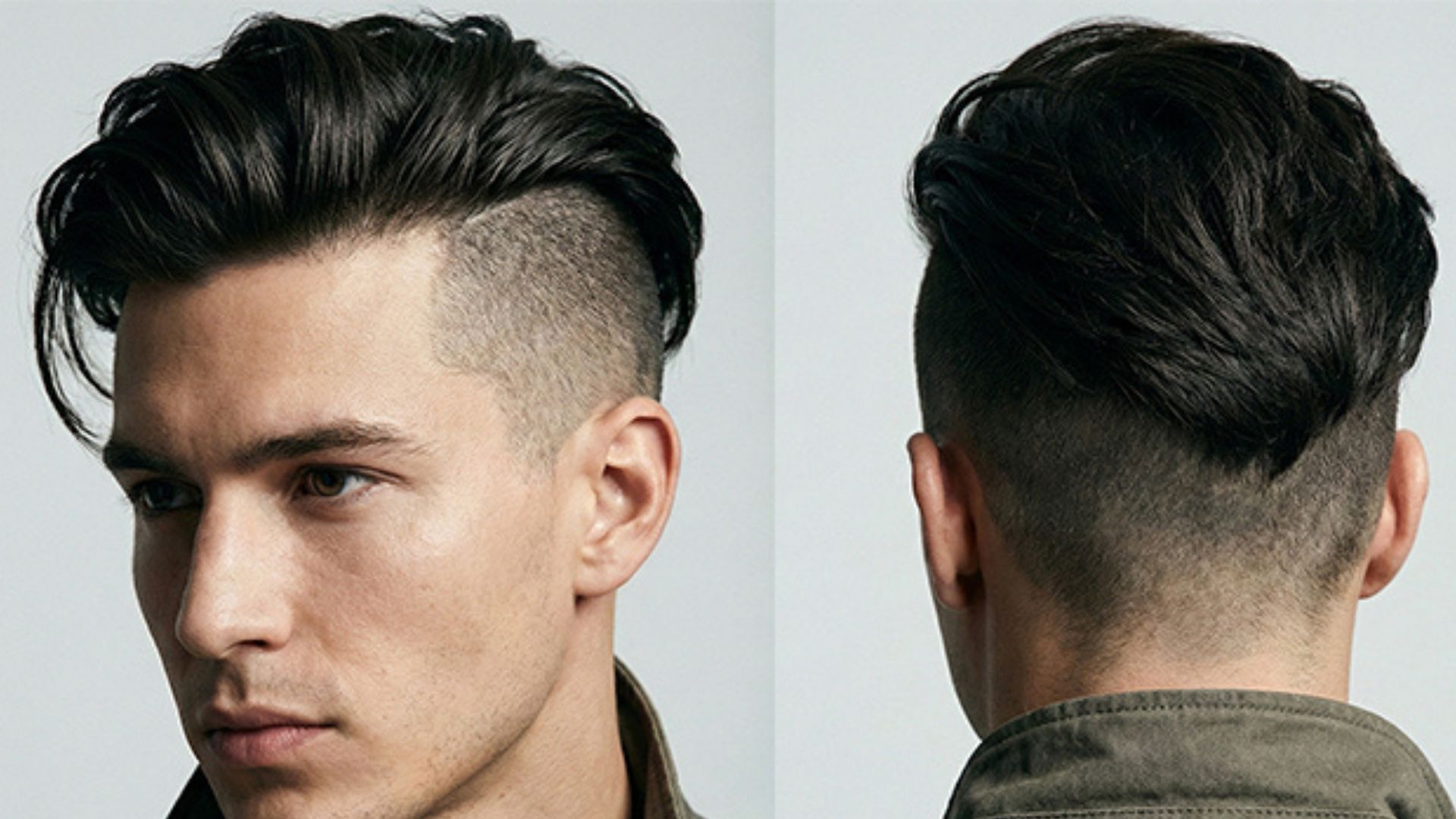
An undercut combines short, buzzed sides and back with noticeably longer hair on top, creating sharp contrast that suits straight, wavy, or curly hair alike. People reach for this masculine haircut because it stays low-maintenance, yet still reads as bold and intentional. You can slick the top back for the office or rough it up with texture clay for a casual look.
19 Trending Undercut Haircuts for Men
Undercut Fade
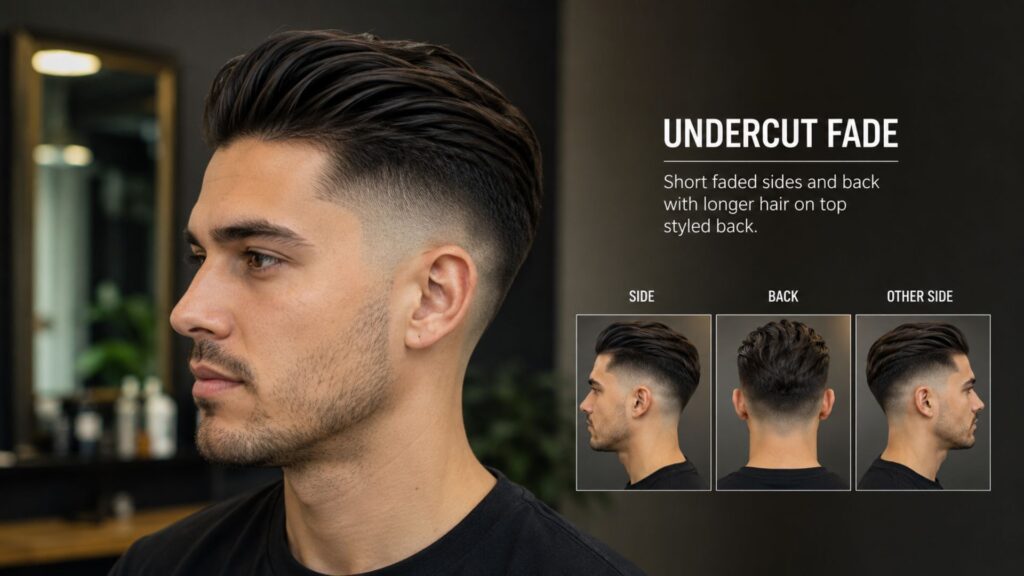
The undercut fade blends the high-contrast structure of a traditional undercut with the smooth blend of a fade, instead of a hard line where sides meet top. Barbers taper the sides in stages down to the skin, then connect that fade into the fuller hair above. Whether you prefer a low fade undercut, mid fade undercut, or high fade undercut, a quick barber consultation about your hair density helps you pick the right depth.
The Classic Undercut
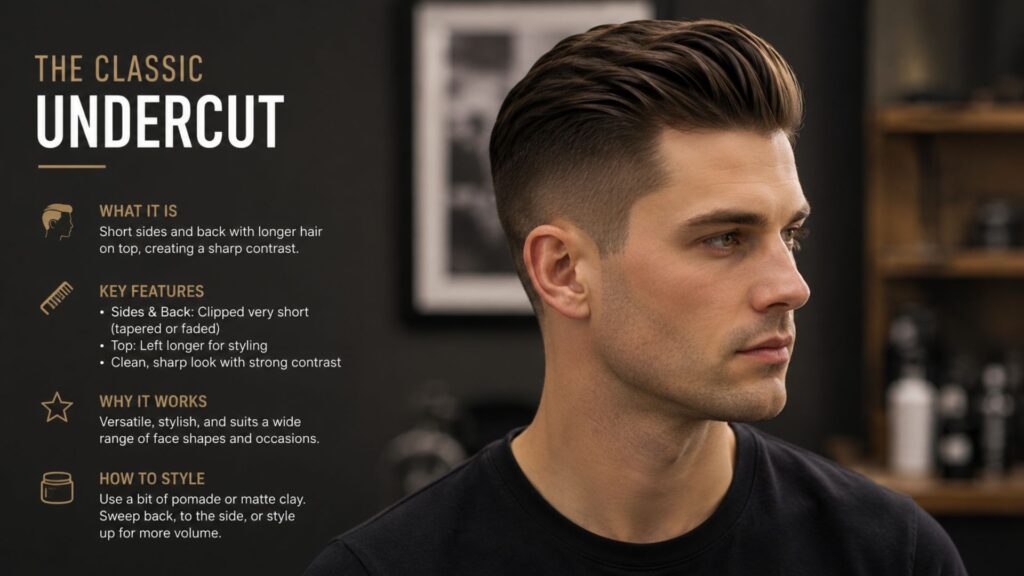
The classic undercut sticks to short, evenly clipped sides paired with longer hair on top, with no fade softening the transition. This timeless haircut needs little daily styling, and a full beard often balances the sharp sides nicely. Slick the top back for polish, or rough it up with matte paste for something more relaxed.
Edgy High Fade Undercut
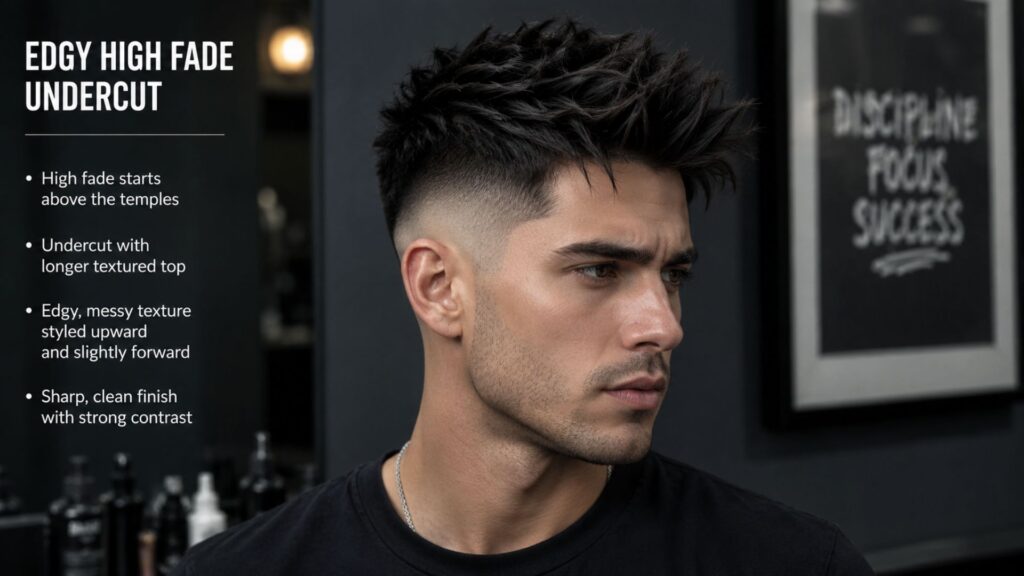
The high fade undercut pushes the fade line higher, so the blend happens fast and the contrast feels dramatic. It suits straight, wavy, and curly hair equally well, since so little hair remains on the sides. Finish the top with a strong-hold styling cream or pomade for a slicked-back or textured quiff look.
The Long Undercut
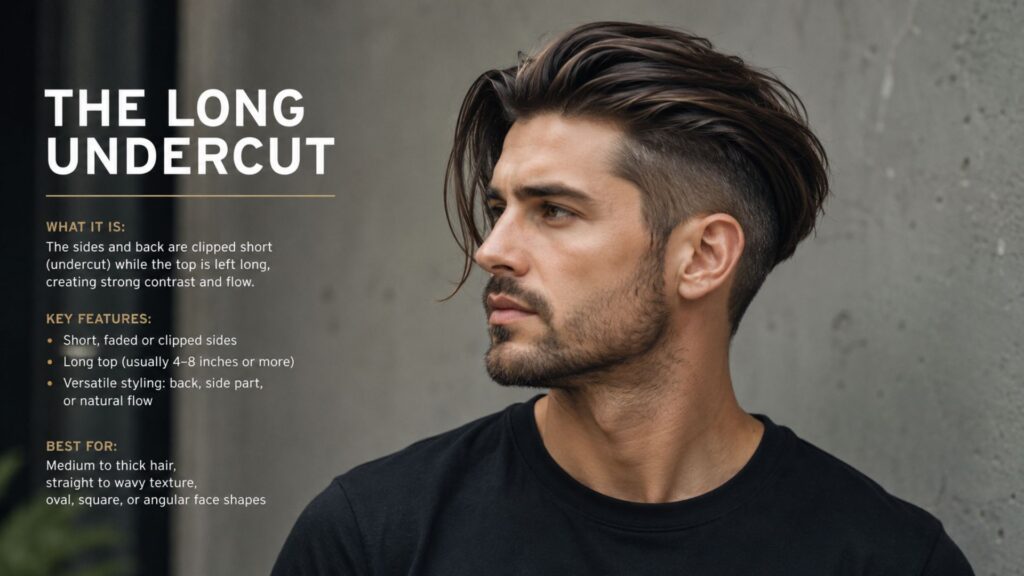
The long undercut keeps short or faded sides while letting the top grow out further than usual, giving you more room for texture and movement. Guys with thick hair often like this version since the extra length gives natural texture somewhere to go. A blow dryer with sea salt spray lifts the top without weighing it down.
Classy Taper Fade Undercut
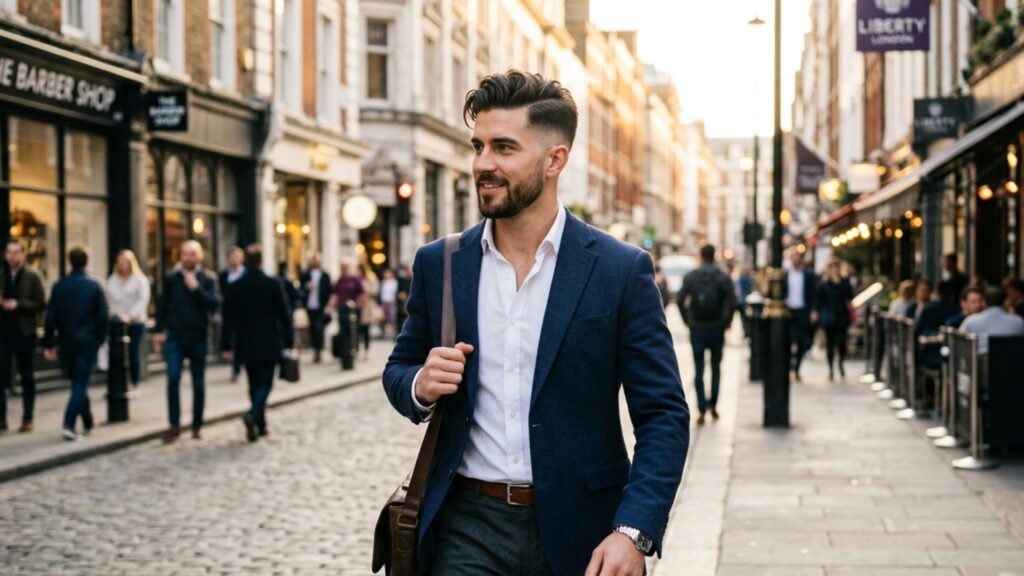
The taper fade undercut blends a gradual taper with undercut-style contrast, keeping a touch of length at the bottom of the sides. This softer transition gives a more polished, professional feel than a skin fade. A strong-hold product and fine-tooth comb pull the top into a smooth, slick finish.
Disconnected Undercut
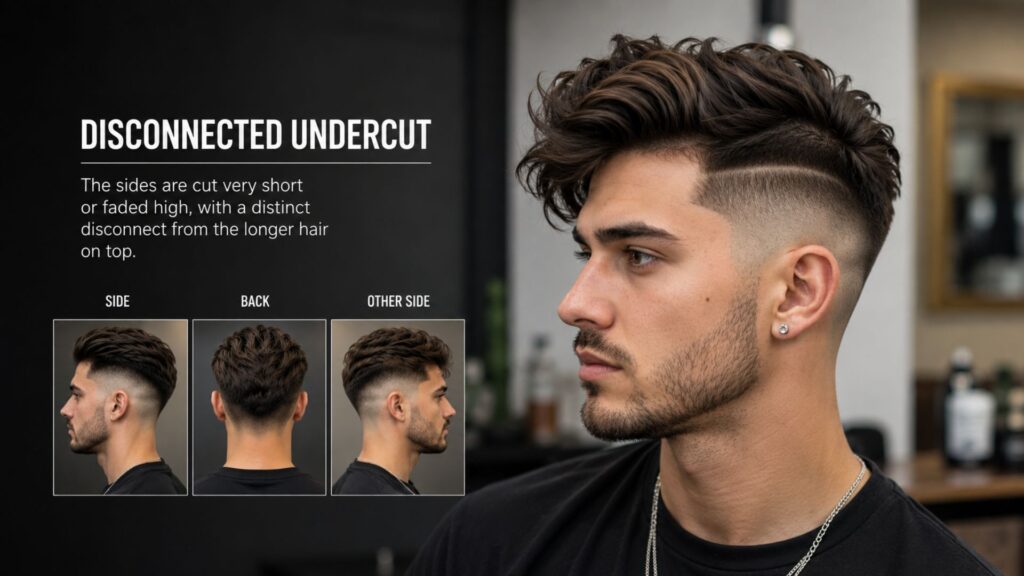
The disconnected undercut creates a hard, deliberate break between the long top and short, faded sides, skipping any gradual taper. This bold, high-contrast look suits rounder face shapes well, since it adds visual height. Regular trims keep that sharp disconnect from blurring as hair grows out.
Tapered Undercut
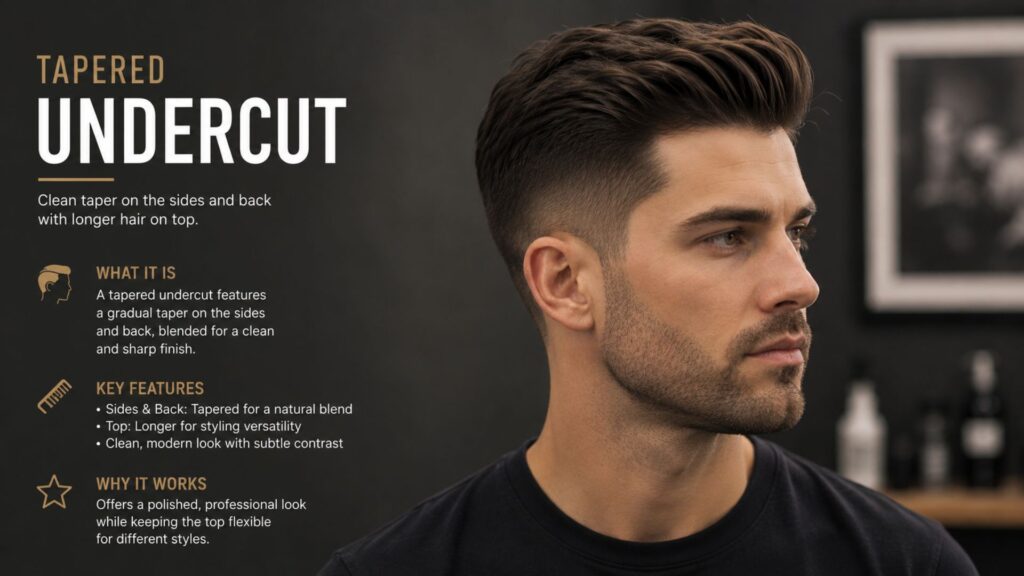
The tapered undercut keeps more length through the sides, gradually decreasing it instead of cutting bluntly short. This softer, versatile shape suits a wide range of face shapes and hair textures. A lightweight styling cream keeps the finish natural, while a round brush adds lift at the front.
Pompadour Undercut
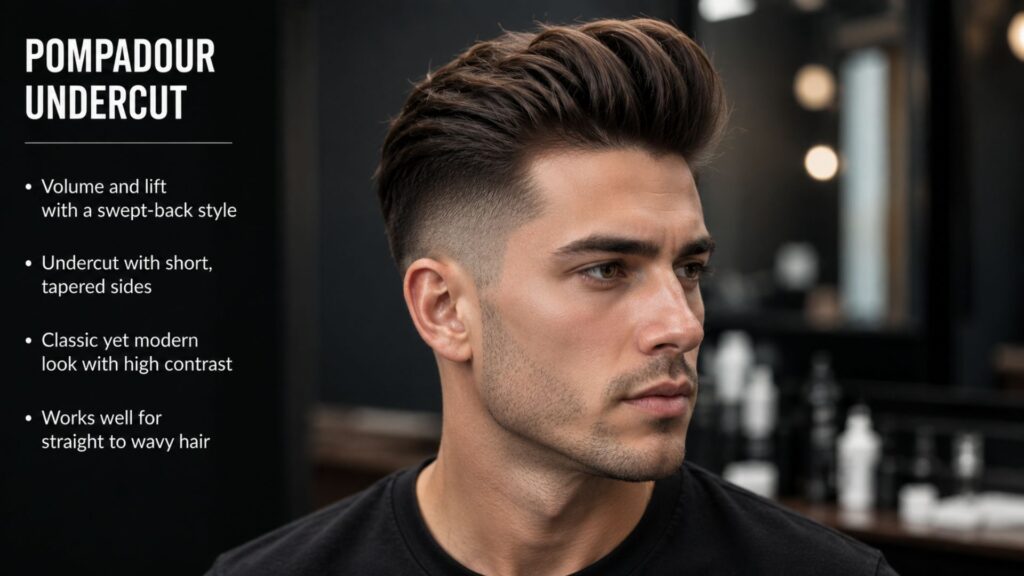
The pompadour undercut merges the height and volume of a classic pompadour with short, faded sides for a modern edge. Hair density matters here, since thicker hair holds that lifted shape longer through the day. A blow dryer builds the lift, and matte texture clay keeps the finish natural rather than glossy.
Blonde Undercut
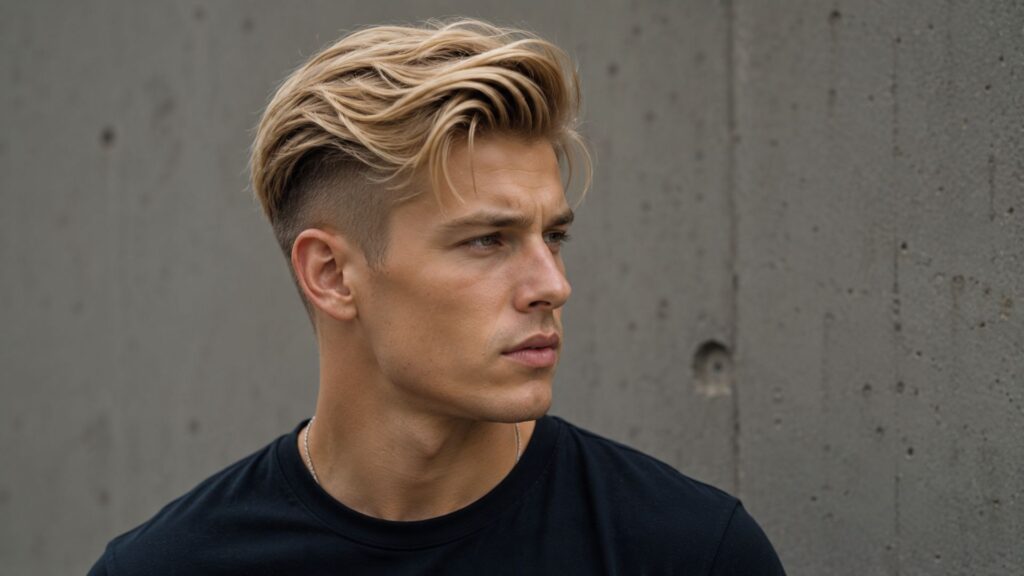
The blonde undercut keeps the same sharp structure as any undercut, but lighter hair color makes the contrast between top and sides even more noticeable. Brushing the top back with a vent brush builds volume and lets the tone catch the light. A smooth styling cream gives soft control without flattening the color.
Straight Hair Undercut
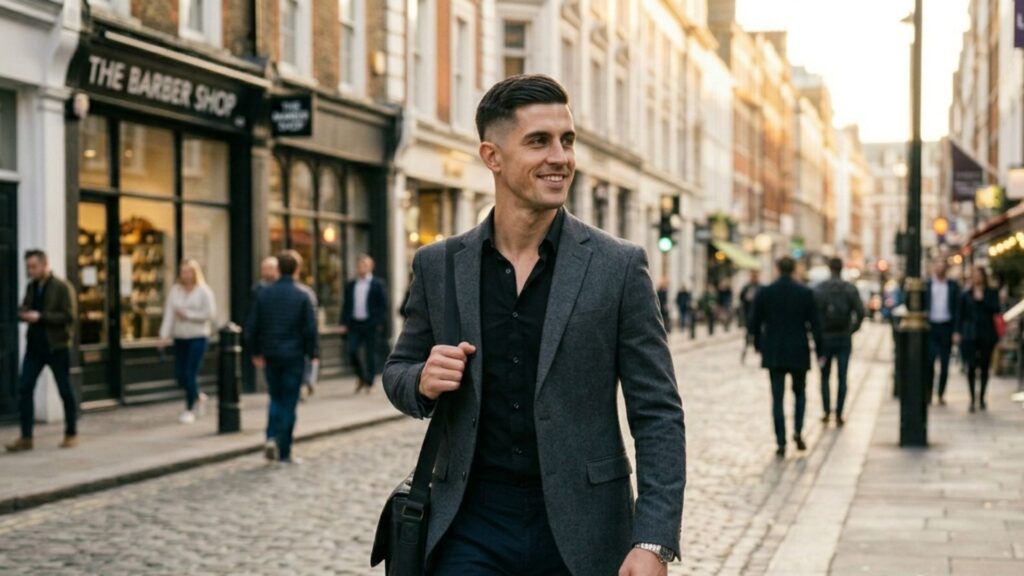
The straight hair undercut leans into smooth, straight strands on top paired with short, clean sides. Straight hair combs back easily, making this one of the simplest undercuts to style day to day. A small amount of pomade adds shine and keeps flyaways under control.
Grown Out Undercut
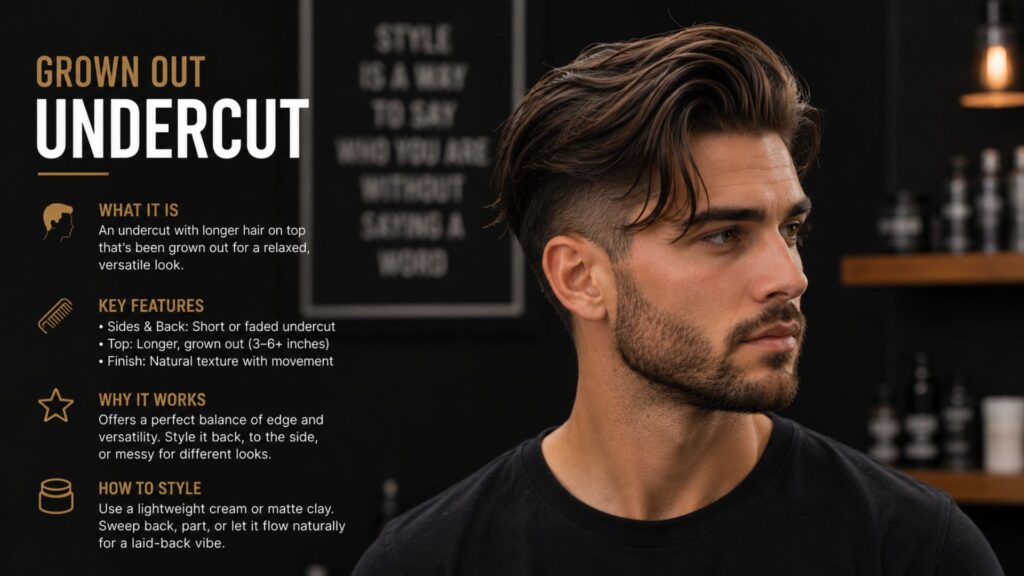
The grown out undercut softens the original sharp shape, letting the sides fill in fuller while the top keeps flowing longer and falls back naturally. This version suits guys easing into lower-maintenance styling over time. A light touch of styling cream smooths the hair without forcing a rigid shape.
Daring Mohawk Undercut Fade
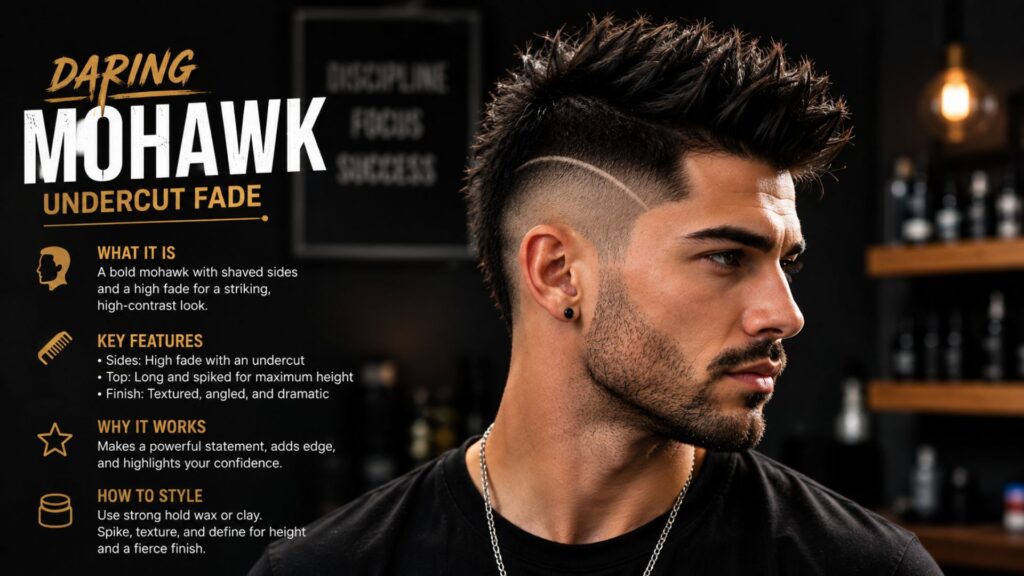
The mohawk undercut fade pairs the bold center strip of a classic mohawk with the sharp, blended sides of a skin or high fade. The longer center strip can go polished and slicked back or spiked with strong-hold gel for full impact. Because the sides fade so close to the skin, this style needs frequent trims to stay sharp.
Middle Part Undercut
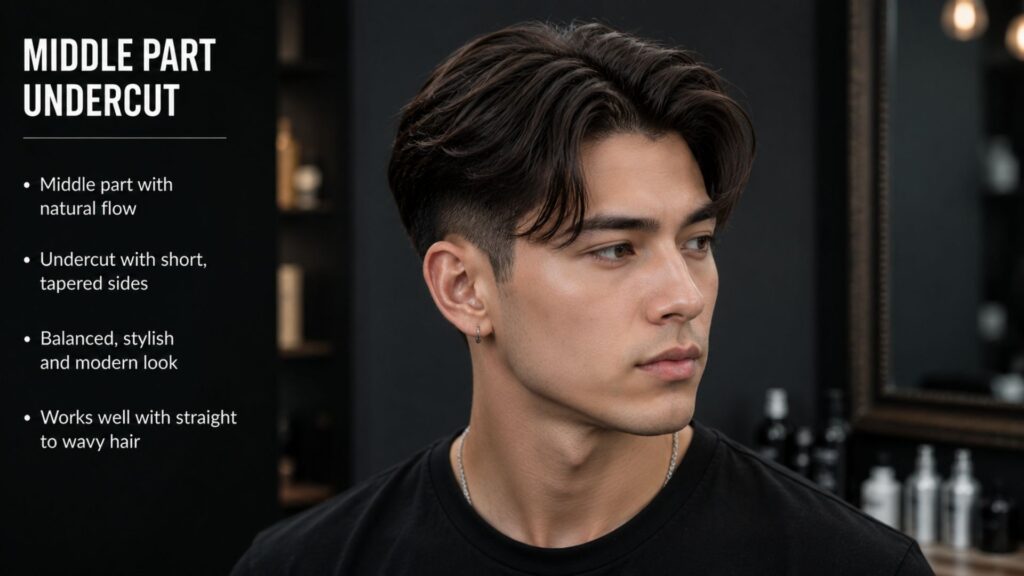
The middle part undercut pairs a clean, often high fade on the sides with longer top hair parted neatly down the center. Blow-drying with a round brush builds volume before you set the part, and molding paste keeps it controlled. This style suits straight to slightly wavy hair best.
Perm Undercut
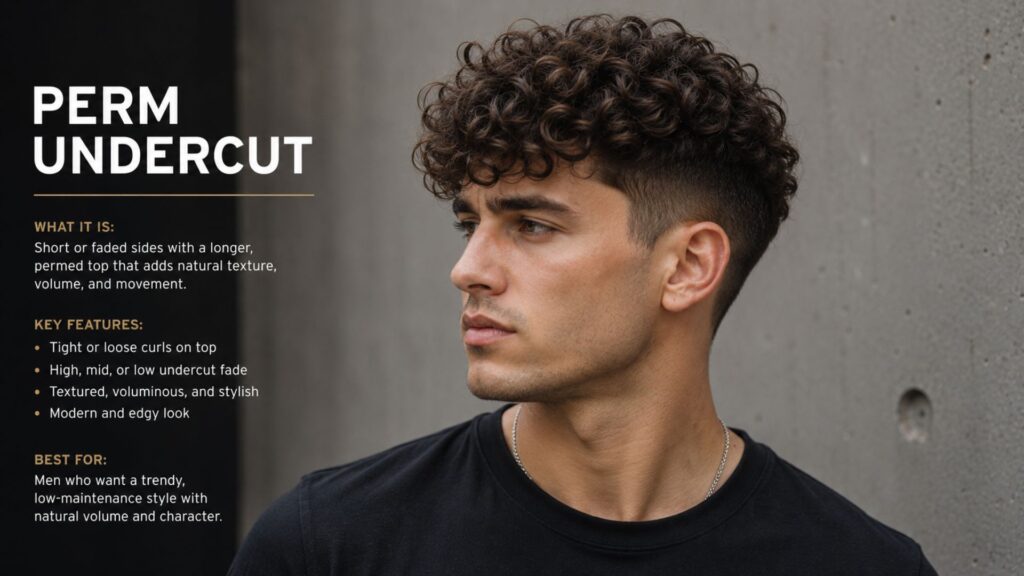
The perm undercut combines short, clean sides with a longer top reshaped into tight, defined curls. This suits guys with naturally straight hair who want more volume than their natural texture offers. Blow-dry on low heat while scrunching curls, then apply styling cream to keep them soft, not stiff.
Undercut Drop Fade
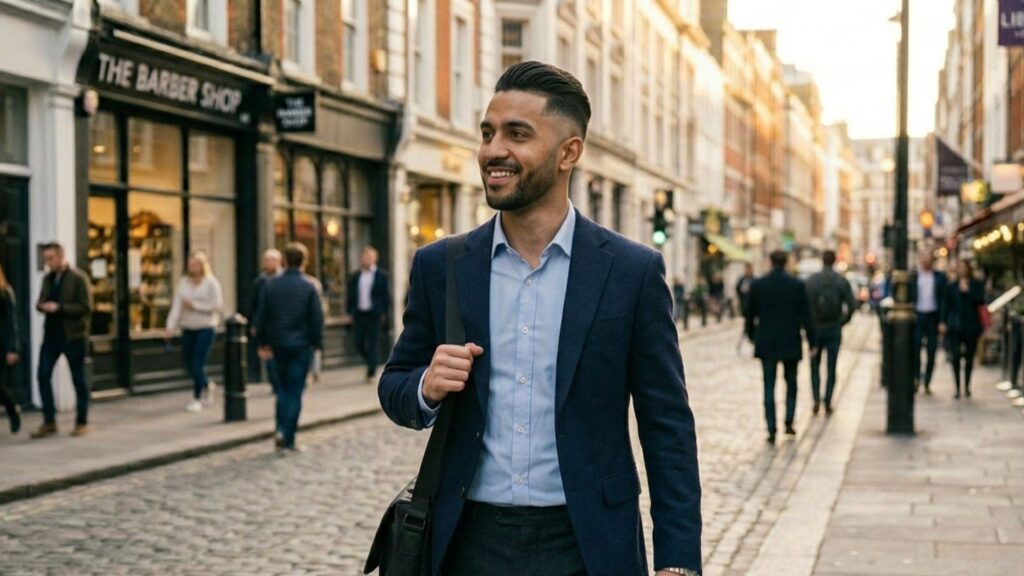
The undercut drop fade follows a curved line that drops behind the ear instead of staying straight across the side, blending into textured length on top. This organic shape suits guys with denser, thicker hair best, since the top needs enough volume to contrast the fade. Texture clay enhances separation without flattening movement.
Undercut Buzz Cut
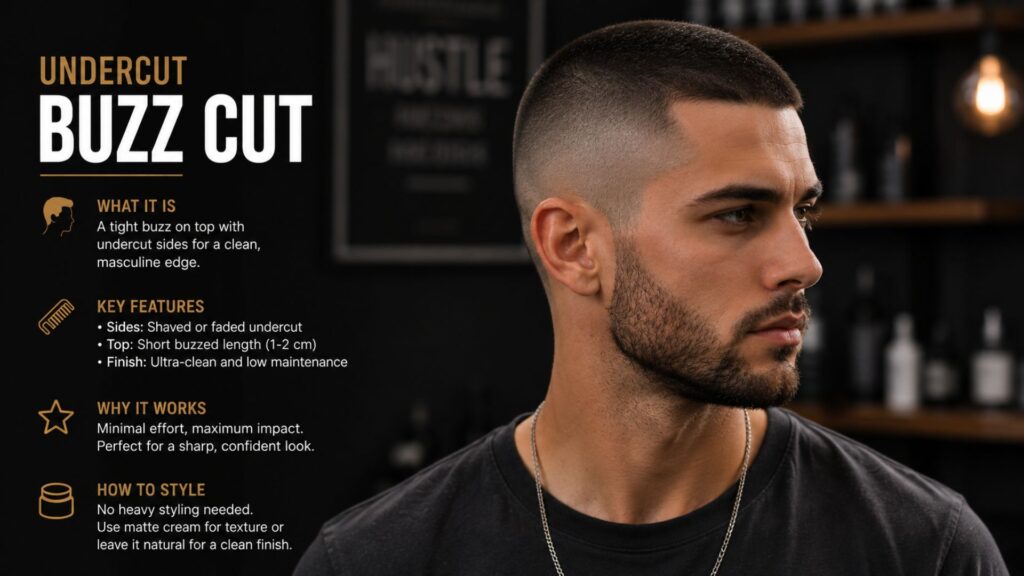
The undercut buzz cut pairs the sharp contrast of an undercut with a short, evenly buzzed top instead of longer styled hair. This combination still reads as bold thanks to the side contrast, but it cuts daily styling time down to almost nothing. A small amount of texture clay is usually all the top needs.
Messy Undercut
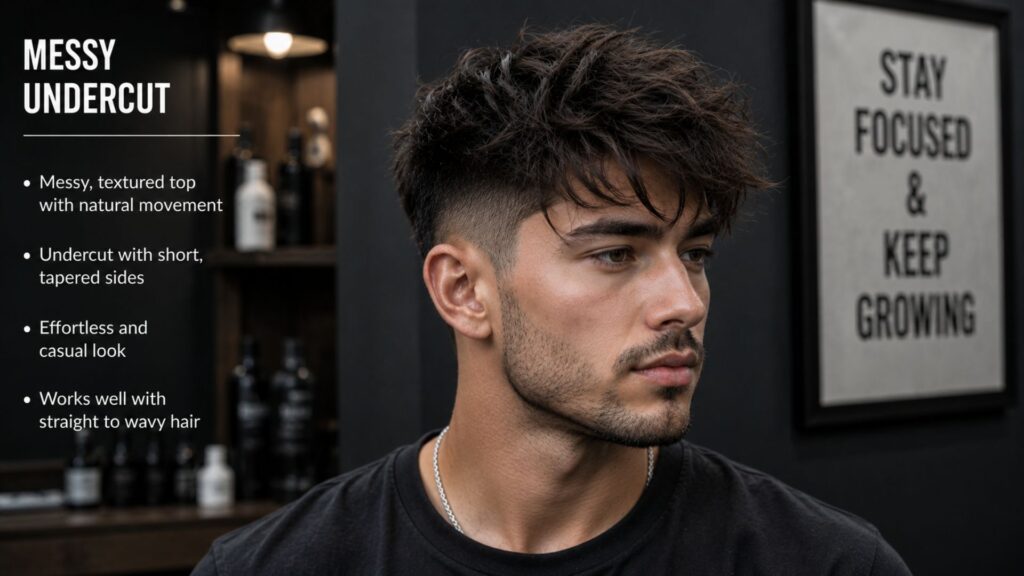
The messy undercut pairs a textured, tousled top with tight, faded sides for a casual, effortless look that still carries some edge. Blow-drying while finger-shaping builds natural lift, and molding paste enhances definition without flattening the texture. Teens especially gravitate toward this relaxed, trendsetting vibe.
Side Part Undercut
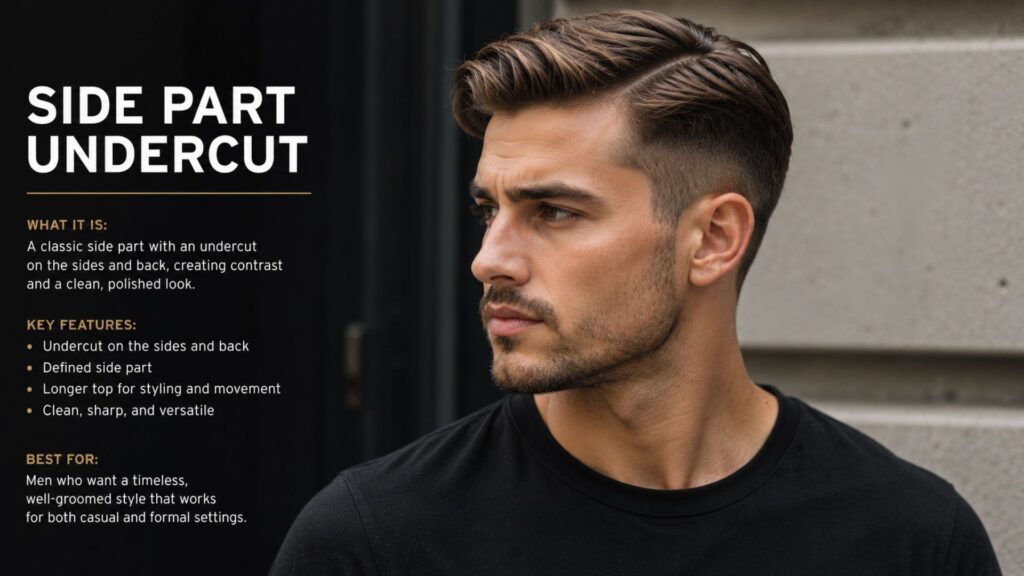
The side part undercut combines a high fade on the sides with neatly parted hair on top for a clean, structured look. Texture clay gives the top a controlled, matte hold, and shaping the part with a comb after blow-drying adds precision. Straight or slightly wavy hair holds a defined part most easily.
Undercut Low Fade

The undercut low fade keeps the fade line close to the bottom of the head, creating a subtler version of the usual undercut contrast. This versatile style works for casual and professional settings alike. Finish off your style with a modern, clean look with some texture powder and styling cream.
The undercut fade family of hairstyles is extremely adaptable to all types of hair, face shape and lifestyle. Bring a clear photo to your barber consultation, mention your preferred fade placement, and trust their read on what will hold up with your natural hair growth.
Conclusion
The undercut fade pairs short, faded sides with longer hair on top, and barbers can adjust the fade placement (low, mid, high, or skin) along with the top’s length and texture to suit different face shapes and styling routines. From the classic undercut to bolder variations like the disconnected undercut and mohawk undercut fade, each version offers its own balance of contrast and maintenance. A clear barber consultation, the right styling products, and regular trims keep any of these cuts looking sharp.
Frequently Asked Questions (FAQs)
What is the difference between an undercut and an undercut fade?
A regular undercut has a hard line where the short sides meet the longer top, with no blending. An undercut fade smooths that transition with a gradual fade, so the sides shorten in stages instead of cutting straight to one length.
Which fade height should I choose for an undercut?
It depends on how bold you want the contrast to look. A low fade undercut offers subtle definition, a mid fade undercut balances the two, and a high fade undercut creates a dramatic, sharp statement.
Does an undercut fade work with curly or wavy hair?
Yes, the short, faded sides suit any hair texture, while the longer top lets curls or waves show their natural movement. A curl-defining cream or sea salt spray helps keep that texture controlled and styled.
How often does an undercut fade need a trim?
Most guys need a trim every 2 to 4 weeks to keep the fade looking crisp. Higher fades and skin fades tend to grow out faster than lower, more subtle versions.
What products work best for styling an undercut fade?
Depending on if you’d like a matte or shiny finish, pomade, styling cream, or texture clay are your most common options.A blow dryer paired with sea salt spray also helps build volume and natural movement on top.Undercut Fade: 19 Trending Styles & Barber Guide (50 characters)
